
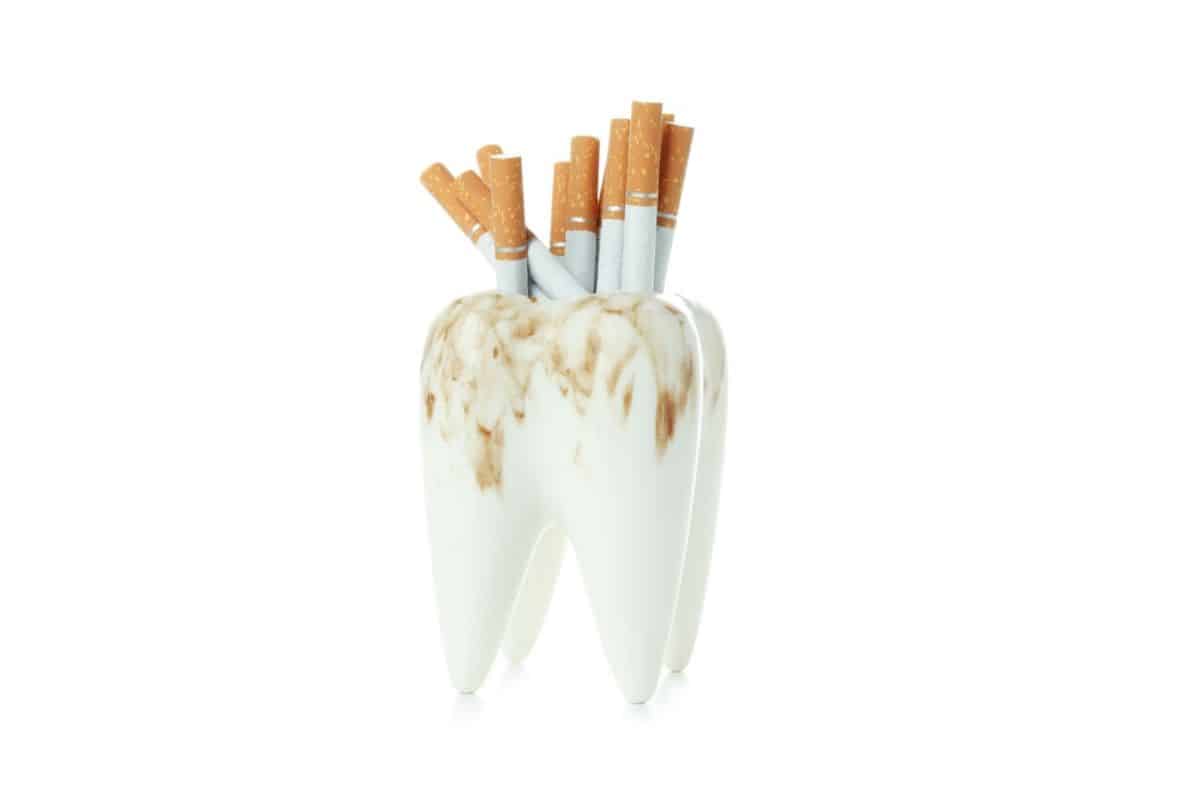
A bright smile often reflects healthy habits, yet many people notice stubborn yellow or brown stains developing after smoking cigarettes or using vaping devices. Some assume these stains are only cosmetic, while others wonder whether vaping is actually safer for their teeth than traditional tobacco. The reality is more complex. Both smoking and vaping can change tooth color over time, although they do so in different ways. Understanding why discoloration happens is the first step toward preventing it and restoring a healthier smile.
Whether you’re enjoying lunch around Downtown Garland, grabbing barbecue with friends, or stopping for coffee before exploring the historic Granville Arts Center, your smile plays a role in everyday interactions. If you have noticed your teeth becoming darker despite regular brushing, professional guidance can help identify the cause and recommend the most effective solution.
At Campbell Crossing Dentistry, Dr. Thomas A. Reed and Dr. Fred Thompson believe that patient education is one of the best preventive tools available. Every recommendation shared in this guide reflects evidence-based dentistry and clinical experience caring for patients with tooth discoloration caused by tobacco and nicotine products. If you’re concerned about changes in your smile, our cosmetic dentist in Garland is here to help you understand your options and improve your long-term oral health. Book an appointment to receive a personalized evaluation.
According to the Centers for Disease Control and Prevention (CDC), cigarette smoking remains a major cause of preventable disease in the United States and continues to affect nearly every organ, including the mouth. Smoking significantly increases the risk of gum disease, tooth loss, and several oral health complications that extend well beyond stained teeth.
Why Do Smoking and Vaping Stain Teeth?
Smoking and vaping stain teeth because chemicals, pigments, and nicotine gradually penetrate or adhere to the enamel surface. Over time, these substances create discoloration that becomes increasingly difficult to remove with ordinary brushing.
While both habits can affect tooth color, the staining process differs depending on what is being inhaled and how frequently it is used.
To understand why stains become so stubborn, it helps to first understand the structure of tooth enamel.
Although enamel is the hardest substance in the human body, it is not completely smooth. Under magnification, enamel contains microscopic pores and tiny surface irregularities. These openings allow pigments from food, beverages, tobacco smoke, and nicotine products to accumulate over months or years.
As these pigments settle deeper into the enamel, simple brushing removes less and less of the discoloration.
How Does Cigarette Smoking Cause Tooth Stains?
Traditional cigarettes are one of the most common causes of persistent external tooth staining. Tar, nicotine, and combustion by-products combine to create dark deposits that gradually build up on enamel.
Two substances are primarily responsible.
Tar
Tar is naturally dark before it enters the mouth.
As cigarette smoke circulates around the teeth, sticky tar particles cling to enamel surfaces. These particles easily collect along the gumline, between teeth, and in tiny grooves where toothbrush bristles cannot always reach.
Over time, repeated exposure creates brown or nearly black discoloration.
Nicotine
Nicotine itself is nearly colorless.
However, when nicotine mixes with oxygen, it undergoes chemical changes that produce yellow-colored compounds. Repeated exposure allows these pigments to penetrate microscopic enamel pores, gradually turning teeth yellow.
The more frequently someone smokes, the faster these pigments accumulate.
Does Vaping Stain Teeth Too?
Yes. Vaping can stain teeth, although the discoloration usually develops differently from stains caused by cigarettes. Many people mistakenly believe vaping is harmless for oral appearance, but nicotine-containing vape products can still contribute to yellowing over time.
Unlike cigarettes, vaping does not produce tar through combustion.
However, many vape liquids contain:
- Nicotine
- Artificial flavoring agents
- Vegetable glycerin
- Propylene glycol
These ingredients may not create thick black stains like cigarette smoke, but they can still contribute to discoloration.
Perhaps more importantly, vaping often causes dry mouth.
Saliva naturally washes away stain-causing particles before they settle on teeth. When saliva production decreases, pigments remain on enamel longer and are more likely to become permanent.
A dry mouth also encourages plaque accumulation, giving stains additional surfaces on which to collect.
Why Do Some Smokers Develop Worse Stains Than Others?
The severity of staining depends on several personal factors, not just the number of cigarettes or vaping sessions. Oral hygiene, enamel texture, genetics, and dietary habits all influence how quickly discoloration appears.
Patients often ask why one smoker develops heavy brown stains while another shows only mild yellowing.
Several factors explain these differences.
Frequency of Tobacco or Vape Use
Someone who smokes throughout the day exposes their enamel to pigments much more often than an occasional smoker.
Repeated exposure gives stains little opportunity to be naturally removed by saliva or brushing.
Oral Hygiene Habits
Daily brushing and flossing reduce plaque, which acts like a sticky surface that traps pigments.
Poor plaque control allows stains to become darker and more noticeable.
Foods and Drinks
Coffee, tea, red wine, dark sodas, berries, and richly colored sauces all contain chromogens that attach to enamel.
When these foods are combined with smoking or vaping, discoloration often develops more quickly.
Existing Dental Conditions
Enamel that has become rough from wear, erosion, or previous damage traps pigments more easily than smooth, healthy enamel.
Patients with untreated gum disease may also notice stains becoming more visible as plaque and tartar accumulate.
Can Smoking and Vaping Stains Be Removed?
Yes, many smoking and vaping stains can be reduced or eliminated. The most effective treatment depends on whether the discoloration is limited to the enamel surface or has penetrated deeper into the tooth.
Many people spend months trying whitening toothpaste or abrasive products without seeing meaningful improvement.
That is because not all stains respond to home care.
A professional evaluation helps determine whether discoloration is:
- Surface staining (extrinsic)
- Deep internal staining (intrinsic)
- A combination of both
Identifying the correct type of stain allows treatment to focus on the underlying cause rather than simply masking the discoloration.
For patients seeking brighter smiles, visiting a cosmetic dentist in Garland provides access to professional assessments and treatment options that address discoloration while protecting enamel from unnecessary wear.
Professional Treatments That Help Remove Smoking and Vaping Stains
Professional dental care can remove many tobacco-related stains more effectively than over-the-counter products. The right treatment depends on the depth of the discoloration, the condition of your enamel, and your overall oral health.
No single treatment works for every patient. A dental examination helps determine whether stains are limited to the surface or have penetrated deeper into the tooth structure.
Professional Dental Cleaning
For many people, the first step is a thorough professional cleaning.
During the appointment, plaque and tartar are carefully removed from areas that brushing and flossing cannot reach. Surface stains attached to these deposits are often lifted at the same time, leaving teeth noticeably cleaner and brighter.
Professional cleanings also allow your dental team to identify early signs of gum disease, enamel wear, or tobacco-related changes before they become more serious.
Professional Teeth Whitening
If discoloration extends beyond the surface, professional whitening may be recommended.
Unlike many store-bought whitening products, professional whitening treatments use carefully selected whitening agents under dental supervision. This approach helps brighten natural teeth more evenly while minimizing unnecessary sensitivity.
Not every type of discoloration responds equally to whitening. Brown stains caused by years of smoking may require a different treatment plan than mild yellowing associated with vaping. Your dental practitioner can explain what results are realistic for your smile.
Cosmetic and Restorative Solutions
Some stains become so deep that whitening alone cannot produce the desired appearance.
In these situations, your dentist may discuss cosmetic or restorative options that improve both appearance and function. Any recommendation should be based on preserving healthy tooth structure while meeting your long-term oral health goals.
If missing teeth or severely damaged teeth are also affecting your smile, treatments such as crowns, bridges, or dentures may be considered when clinically appropriate. These are established services that help restore function while supporting a natural-looking smile.
Why Whitening Toothpaste Often Isn’t Enough
Whitening toothpaste can remove some recent surface stains, but it cannot reach deeper discoloration caused by years of smoking or vaping. Many products rely mainly on mild abrasives rather than true whitening ingredients.
Patients are often disappointed after using whitening toothpaste for several months without seeing a major improvement.
There are several reasons why.
- It only removes limited surface staining.
- It cannot change the natural color of teeth.
- It does not remove hardened tartar.
- Deep nicotine stains remain below the enamel surface.
- Overusing abrasive products may gradually wear enamel.
Using whitening toothpaste as part of a daily routine can still be beneficial, but it should not be viewed as a replacement for professional care.
Does Quitting Smoking or Vaping Improve Tooth Color?
Stopping tobacco or nicotine use helps prevent new stains from forming, but existing discoloration usually does not disappear on its own. Professional treatment is often needed to restore the appearance of stained teeth.
This is encouraging news for patients who are working toward quitting.
Once new pigments stop collecting on enamel, professional cleanings and whitening treatments often become more effective because they are no longer competing with ongoing staining.
Quitting also offers several additional oral health benefits.
Benefits Beyond a Brighter Smile
- Slower development of new strains
- Healthier gums with improved healing
- Reduced plaque and tartar buildup
- Fresher breath
- Lower risk of tooth loss associated with advanced gum disease
- Better long-term success of many dental treatments
Even patients who have smoked for many years frequently notice improvements in their oral health after quitting.
Everyday Habits That Help Keep Teeth Whiter
Daily habits cannot completely prevent staining, but they can significantly slow discoloration and help professional treatments last longer. Consistency is more important than perfection.
Simple changes often make a meaningful difference.
Brush Thoroughly Twice Each Day
Brush for two minutes using fluoride toothpaste and a soft-bristled toothbrush. Cleaning every tooth surface helps remove plaque before pigments have an opportunity to accumulate.
Floss Every Day
Many stains begin between teeth where toothbrush bristles cannot reach.
Daily flossing removes plaque from these areas and supports healthier gums.
Stay Hydrated
Drinking water throughout the day helps rinse away stain-causing particles while supporting healthy saliva production.
This is especially helpful for people who vape and experience dry mouth.
Limit Dark-Colored Beverages
Coffee, tea, red wine, and dark sodas all contain pigments that readily attach to enamel.
If you enjoy these beverages, drinking water afterward can help reduce staining.
Visit Your Dentist Regularly
Routine examinations and professional cleanings remove deposits that cannot be managed at home.
Patients who receive preventive care consistently often maintain brighter smiles over the long term.
When Should You See a Cosmetic Dentist About Tooth Stains?
You should schedule a dental evaluation if discoloration develops quickly, becomes severe, or does not improve despite good oral hygiene. Stains may sometimes indicate underlying dental conditions rather than simple tobacco use.
Professional evaluation is especially important if you notice:
- Brown or black stains that continue spreading
- Yellow discoloration that brushing cannot improve
- Persistent bad breath
- Bleeding or swollen gums
- Loose teeth
- Increased tooth sensitivity
- White patches or unusual changes inside the mouth
Early diagnosis often allows simpler treatment while protecting your long-term oral health.
If you are looking for guidance from a cosmetic dentist in Garland, a comprehensive examination can identify the source of discoloration and determine which treatment option is most appropriate for your individual smile.
Protect Your Smile With Personalized Dental Care
Smoking and vaping affect much more than the appearance of your teeth. They increase stain buildup, contribute to plaque accumulation, reduce saliva, and raise the risk of gum disease over time. Understanding why these changes occur allows you to take meaningful steps toward protecting your oral health before discoloration becomes more difficult to manage.
Whether you are hoping to brighten your smile, improve your oral hygiene, or explore the most appropriate treatment for tobacco-related stains, personalized care makes a significant difference. Visit our dental office in Garland to receive a comprehensive evaluation, discuss your concerns, and learn which treatment options best support a healthier, brighter smile.
Frequently Asked Questions
Can vaping without nicotine still stain teeth?
Some nicotine-free vape liquids may still leave residue because of flavoring ingredients and reduced saliva production. However, nicotine-containing products generally create more noticeable discoloration over time.
Are smoking stains permanent?
Not always. Many surface stains respond well to professional cleanings, while deeper discoloration may require whitening or other cosmetic treatments recommended after a dental examination.
How long does it take for smoking to stain teeth?
Visible staining varies from person to person. Frequency of smoking, oral hygiene habits, and enamel characteristics all influence how quickly discoloration develops.
Does charcoal toothpaste remove nicotine stains?
Charcoal toothpaste may remove minor surface debris but cannot eliminate deeper nicotine stains. Frequent use of abrasive products may also contribute to unnecessary enamel wear.
Can professional whitening remove all smoking stains?
Many stains improve significantly with professional whitening, but results depend on their depth and severity. Your dentist will recommend the most appropriate treatment after evaluating your teeth.
Are vaping stains easier to remove than cigarette stains?
In many cases, vaping stains are less severe because they do not contain tar. However, long-term nicotine use can still create discoloration that benefits from professional treatment.
How often should smokers have professional dental cleanings?
Your dentist will recommend a schedule based on your oral health needs and tobacco use. Some patients benefit from more frequent cleanings to control stain buildup and support healthier gums.