
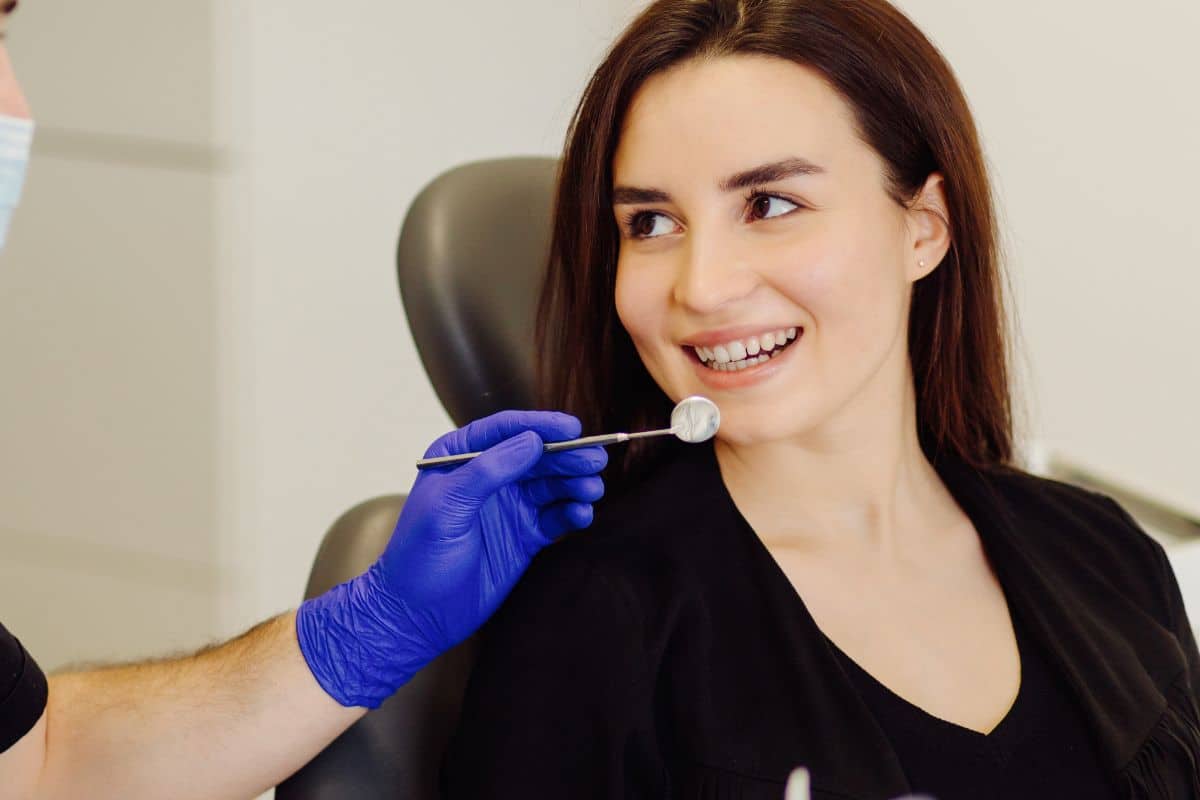
A professional teeth whitening treatment can instantly lift years of stubborn discoloration, exposing a luminous, youthful smile. However, keeping those radiant results requires deliberate daily habits and precise post-treatment maintenance. Tooth enamel is naturally porous; without protective steps, dark pigments and surface stains can quickly diminish your newly whitened shade.
By taking control of your dietary choices, refining your oral hygiene regimen, and scheduling targeted touch-ups, you can lock in your brighter smile for years to come. At Campbell Crossing Dentistry, Dr. Thomas A. Reed and Dr. Fred Thompson provide advanced cosmetic solutions paired with tailored preventive care to help you maintain a dazzling appearance safely and comfortably.
How Does the “48-Hour White Diet” Prevent Re-Staining?
The “48-Hour White Diet” prevents post-whitening re-staining by restricting dark-colored foods and acidic beverages while your enamel’s protective layer heals. Immediately following a professional teeth whitening in Garland, the open enamel pores are highly vulnerable to absorbing dark pigments. Adhering strictly to light-colored, low-acid foods during this two-day window locks in your initial shade progression.
During a dental whitening procedure, active peroxide agents temporarily increase the permeability of your tooth enamel to remove embedded deep-set stains. Until your naturally acquired pellicle, a protective protein film on the surface of your teeth, fully reforms over the next 20 to 48 hours, chromogens (pigment-producing compounds) easily attach to the underlying dentin.
To protect your investment, strictly eat non-pigmented foods during this initial window. Ideal choices include:
- Skinless chicken or turkey
- White fish
- Plain white rice or pasta
- Cauliflower
- Egg whites
- Clear liquids
Avoid dark sauces (soy sauce, marinara), dark berries, mustard, red wine, coffee, and dark teas. Furthermore, steer clear of highly acidic choices like citrus fruits and carbonated waters, as acidity temporarily softens enamel, making it even more receptive to staining.
Why Are Dark Beverages Staining Your Enamel, and How Can You Drink Smartly?
Dark beverages stain enamel because they carry heavy concentrations of chromogens, tannins, and acids that erode and discolor tooth surfaces over time. Using a straw bypasses the front teeth, significantly minimizing direct fluid contact with your visible smile line. Rinsing with plain water right after drinking dark liquids neutralizes acidity and washes away residual pigments before they set.
When enjoying a slow-smoked meal at popular local spots in historic Downtown Garland like Intrinsic Smokehouse & Brewery or Soulman’s Bar-B-Que, rich sauces, sweet teas, and dark craft brews can present a sudden challenge to newly whitened teeth. You do not need to give up your favorite local meals; simply alter how you consume dark drinks. Using a reusable straw directs liquids past the labial surfaces of your incisors and canines. Following up your meal with a quick glass of fresh water clears away clinging food particles and maintains a neutral oral pH.
What Role Does Daily Custom Oral Hygiene Play in Stain Prevention?
Daily oral hygiene prevents staining by continually breaking down the sticky bacterial plaque film where surface pigments gather and harden into tartar. Brushing twice daily with a soft-bristled brush and flossing thoroughly cleans away microscopic debris before it discolors tooth structure. Incorporating non-abrasive whitening toothpaste helps gently buff away superficial daily stains.
According to data published by the Centers for Disease Control and Prevention (CDC), over 42% of U.S. adults aged 30 and older experience some form of periodontal disease, a condition that causes gum recession and exposes vulnerable root dentin. Dentin is naturally darker and more porous than enamel, making strict plaque control vital for preserving a uniform, healthy smile line.
When choosing daily maintenance products after teeth whitening in Garland, select gentle, non-abrasive formulas. Highly abrasive Charcoal or heavy baking soda pastes can create microscopic scratches across your enamel over time, creating tiny grooves where dark pigments collect faster. Look for products earning the American Dental Association (ADA) Seal of Acceptance. Additionally, wait 30 minutes after eating acidic foods before brushing; brushing too quickly when enamel is temporarily softened by food acids can cause unexpected surface wear.
How Do Custom Take-Home Trays Keep Your Teeth Luminous?
Custom take-home trays preserve luminosity by providing a precise, leak-proof fit that holds professional-grade bleaching gel against uneven tooth surfaces. Unlike generic over-the-counter strips, custom trays engineered from detailed digital dental impressions keep active peroxide close to enamel while protecting delicate gum tissue from chemical irritation.
Over time, natural exposure to dietary pigments causes whitened teeth to experience minor shade regression. Utilizing custom-fitted touch-up trays under professional supervision allows you to easily restore your optimal shade from the comfort of home.
- Precision Alignment: Custom trays keep gel from washing away through saliva dilution.
- Gingival Protection: Contoured tray borders stop bleaching agents from oozing onto surrounding soft tissue, preventing tissue inflammation.
- Controlled Peroxide Concentration: Dentist-supervised carbamide peroxide gels ensure predictable, safe, and uniform whitening results without unneeded enamel distress.
A short, periodic touch-up application every 6 to 12 months, especially right after routine professional cleanings, keeps your tooth structure radiant while conserving long-term enamel stability.
Why Is Saliva Production Critical for Natural Enamel Self-Defense?
Saliva acts as a natural protective shield for tooth enamel by continually washing away food debris, neutralizing acidic plaque, and supplying essential minerals like calcium and phosphate. Adequate hydration keeps your salivary flow active, naturally rinsing dark pigments off tooth surfaces throughout the day. Dry mouth environments leave enamel unprotected, accelerating stain accumulation and tooth decay.
Saliva neutralizes dietary acids that weaken enamel, driving constant remineralization that keeps teeth strong, smooth, and resistant to deep discoloration.
To maintain healthy saliva production throughout the day:
- Drink plenty of fresh water, particularly during outdoor activities at local spots like Lake Ray Hubbard or Spring Creek Forest Preserve.
- Chew sugar-free gum containing xylitol between meals to stimulate natural salivary flow and suppress plaque bacteria.
- Limit excessive intake of drying substances such as alcohol, caffeinated beverages, and tobacco products.
If you struggle with chronic dry mouth (xerostomia) caused by medications or systemic factors, your dentist can recommend targeted moisturizing rinses to protect your enamel and keep your smile glowing days after you undergo teeth whitening in Garland.
How Do Routine Dental Cleanings Extend the Longevity of Whitening?
Routine professional dental cleanings extend whitening longevity by removing calcified tartar (calculus) and deeply set surface stains that regular home brushing cannot clear. Hygienists use specialized ultrasonic tools and polishing compounds to restore a smooth, clean tooth surface, preventing new pigments from clinging to your teeth.
Even meticulous daily home brushing cannot prevent small amounts of plaque from hardening into yellowish tartar along the gum line. As tartar is porous, it absorbs dark stains rapidly. Bi-annual preventive visits eliminate these dark deposits and give your dental team a clear opportunity to evaluate your enamel integrity.
During routine checkups, your dentist monitors for early signs of enamel erosion, hidden decay, or micro-cracks that could cause sensitivity or localized darkening. Detecting these structural changes early preserves both the health and aesthetic uniformity of your teeth.
Schedule Your Diagnostic Consultation for a Lasting, Radiant Smile
Maintaining a bright, radiant smile long after a whitening treatment is an ongoing effort that relies on protecting your enamel from daily staining risks. While following the 48-hour white diet, drinking through straws, and keeping up with daily hygiene create a strong foundation, long-term brilliance depends on personalized professional care tailored to your specific enamel density, saliva flow, and lifestyle habits.
Every smile reacts differently to dietary pigments and surface wear, which is why generic post-care routines often fall short. To protect your results, evaluate your enamel integrity, and receive custom-fitted touch-up trays designed specifically for your bite, visit our dental office in Garland to keep your white smile brilliant for years to come.
Frequently Asked Questions
How long do professional teeth whitening results usually last?
Professional teeth whitening results typically last between one to three years. Longevity depends heavily on your daily oral hygiene habits, dietary choices, and regular maintenance touch-ups under professional dental supervision.
Can I drink coffee immediately after a whitening treatment?
No, you should avoid drinking dark coffee for at least 48 hours post-treatment. Newly whitened enamel is temporarily porous and absorbs dark pigments rapidly during this initial recovery window.
Will professional whitening damage my natural tooth enamel?
No, professional whitening monitored by experienced dentists does not damage enamel. High-quality carbamide or hydrogen peroxide formulations safely lift deep stains without stripping away or weakening healthy mineral structure.
Why do my teeth feel sensitive right after whitening?
Post-whitening sensitivity occurs because active peroxide temporarily travels through micro-porous enamel to reach dark pigments in the dentin. This mild sensation resolves naturally within 24 to 48 hours.
How often should I use custom take-home touch-up trays?
Custom touch-up trays are generally used for 1 to 2 consecutive nights every 6 to 12 months. Your dentist will customize a touch-up schedule based on your personal stain risk.
Are over-the-counter whitening strips as effective as custom dental trays?
No, over-the-counter strips lack custom contours, leading to uneven whitening and chemical leakage onto gums. Professional trays ensure full, uniform gel contact while protecting delicate soft tissues.
What is the best way to touch up my smile after teeth whitening?
The best way to touch up your smile is using custom-fitted trays supplied by your local dentist. Professional-grade gel offers controlled, even whitening that safely restores your preferred shade.