
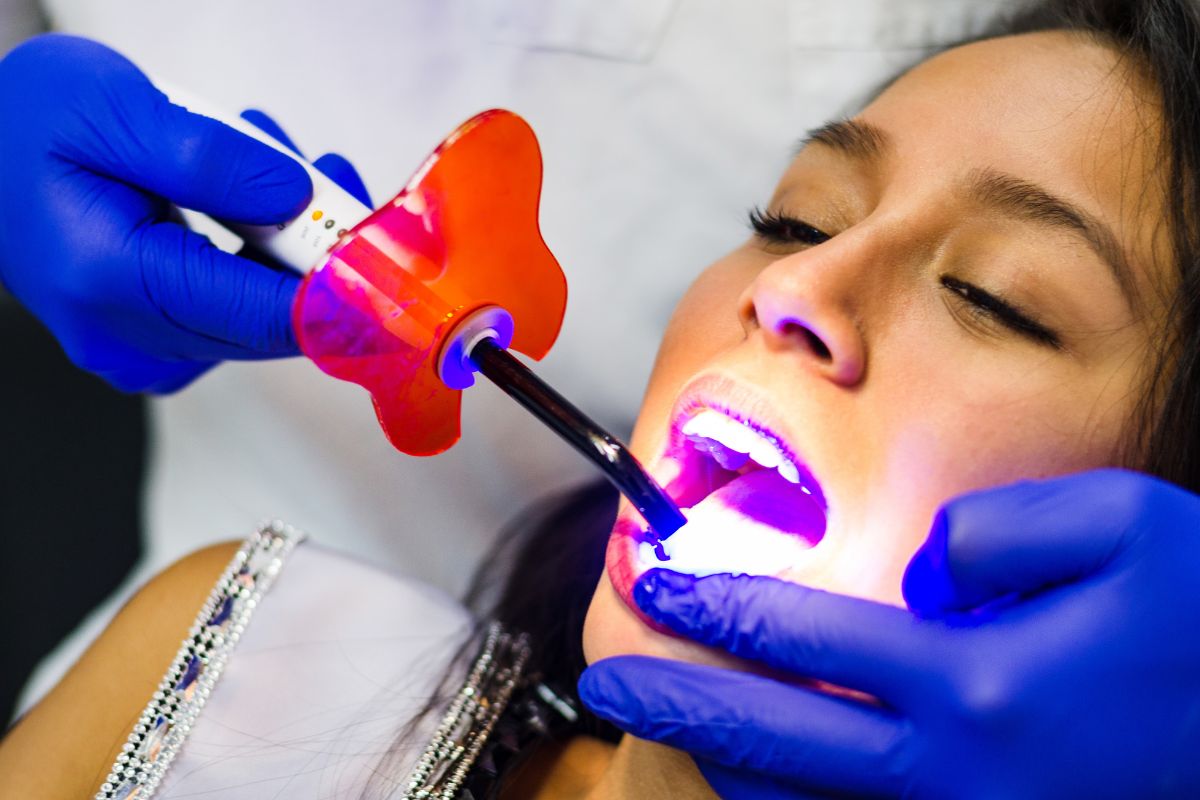
A bright smile can make a lasting impression, but even people with excellent oral hygiene often notice their teeth becoming darker over time. Coffee during the morning commute, sweet tea with lunch, dark-colored foods, and the natural aging process can gradually stain teeth in ways that brushing alone cannot fully reverse. What starts as mild discoloration can eventually leave a smile looking older and less vibrant than it once did.
Many people assume stained teeth are simply part of getting older. The truth is that most discoloration develops from years of exposure to pigments that become trapped within the tooth structure. Understanding how professional teeth whitening works can help you make informed decisions about improving your smile safely and effectively.
At Campbell Crossing Dentistry, we regularly help patients understand why teeth become stained and what treatment options can provide meaningful improvement. Dr. Thomas A. Reed and Dr. Fred Thompson use evidence-based cosmetic dentistry techniques to help patients brighten their smiles while protecting their oral health. If you have concerns about discoloration, we encourage you to schedule a consultation to learn more about our professional teeth whitening treatment.
Why Do Teeth Become Stained Over Time?
Teeth become stained when pigments from foods, beverages, tobacco products, and aging accumulate on or within the tooth structure. Some stains affect only the enamel surface, while others develop deeper inside the tooth.
To understand why professional whitening is so effective, it helps to know how stains form.
Surface Stains (Extrinsic Stains)
Extrinsic stains develop on the outer enamel layer and are commonly caused by:
- Coffee
- Tea
- Red wine
- Dark sodas
- Tobacco products
- Curry and heavily pigmented foods
- Sports and energy drinks
These stains accumulate gradually and often become more noticeable after years of exposure.
Deep Stains (Intrinsic Stains)
Intrinsic stains occur beneath the enamel and may result from:
- Natural aging
- Certain medications
- Dental trauma
- Excessive fluoride exposure during childhood
- Internal tooth discoloration
Because these stains are located deeper within the tooth, they are often difficult to improve using over-the-counter products alone.
According to the Centers for Disease Control and Prevention, more than 90% of adults aged 20 to 64 have experienced tooth decay. As adults age, enamel naturally becomes thinner, making underlying dentin more visible and often causing teeth to appear darker or more yellow.
Why Do Many Garland Residents Notice Tooth Discoloration?
Everyday lifestyle habits often expose teeth to stain-causing pigments multiple times per day. Over time, those pigments accumulate and alter the appearance of enamel.
Many local residents enjoy coffee before work, sweet tea with meals, and favorite Texas barbecue dishes that contain richly colored sauces. Frequent exposure to these foods and beverages can gradually contribute to discoloration.
People who spend time around Historic Downtown Garland, enjoy dining at local eateries, or regularly consume dark-colored beverages may not notice stains developing right away. However, years of repeated exposure often leave teeth looking noticeably darker than they once were.
The good news is that many of these stains respond exceptionally well to professional whitening.
How Does Professional Teeth Whitening Actually Work?
Professional whitening uses peroxide-based whitening agents that penetrate the enamel and break apart stain molecules, making teeth appear brighter without removing healthy tooth structure.
Unlike whitening toothpastes that primarily scrub surface stains, professional whitening works through a chemical process called oxidation.
When whitening gel is applied:
- Oxygen molecules penetrate the enamel
- Stain molecules are broken into smaller particles
- Dark pigments become less concentrated
- Teeth appear brighter and more uniform in color
This process targets both surface discoloration and many deeper stains that ordinary whitening products cannot effectively reach.
Does Professional Teeth Whitening Damage Enamel?
No. Professionally supervised whitening does not remove healthy enamel when performed appropriately and under professional guidance.
One of the biggest misconceptions about whitening is that it “bleaches away” enamel. In reality, whitening agents interact with stain molecules rather than removing tooth structure.
Scientific research has consistently shown that professional whitening treatments can safely improve tooth color while preserving enamel integrity. This is why a professional examination is important before treatment begins.
At Campbell Crossing Dentistry, we evaluate every patient’s oral health before recommending whitening to ensure the treatment is appropriate and safe.
Why Doesn’t Whitening Toothpaste Produce Similar Results?
Whitening toothpastes primarily remove surface stains, while professional whitening changes the color of stain compounds within the tooth.
Many whitening toothpastes contain polishing agents that help remove recent surface discoloration.
However, they generally cannot:
- Penetrate deeper stain layers
- Significantly alter intrinsic discoloration
- Produce dramatic shade improvements
For patients with years of accumulated staining, professional treatment typically provides more noticeable and predictable results.
Not All Tooth Stains Respond the Same Way
Different types of discoloration respond differently to whitening treatment. Understanding the type of stain helps determine realistic expectations.
Yellow Stains
Yellow discoloration is often associated with aging and dietary habits. These stains generally respond very well to professional whitening.
Brown Stains
Brown stains are commonly linked to coffee, tea, tobacco use, and dark-colored foods. Professional whitening often provides significant improvement.
Gray Stains
Gray discoloration may result from certain medications or internal tooth changes. These stains can be more challenging and may require alternative cosmetic solutions.
A professional evaluation helps determine the likely response to whitening treatment before beginning care.
What Happens During a Professional Whitening Appointment?
The whitening process involves protecting the gums, applying professional-grade whitening gel, monitoring treatment, and evaluating results.
Although every patient is unique, treatment typically follows several important steps.
Step 1: Oral Examination
Your dentist evaluates your oral health, existing restorations, and the cause of discoloration.
Step 2: Gum Protection
Special barriers help protect soft tissues and minimize irritation.
Step 3: Whitening Application
Professional whitening gel is carefully applied to the visible surfaces of the teeth.
Step 4: Active Whitening Phase
The whitening agent breaks down stain molecules, and the treatment progress is monitored.
Step 5: Post-Treatment Evaluation
Results are assessed, and recommendations are provided to help maintain your brighter smile.
Can Professional Whitening Remove Years of Stains?
In many cases, yes. Professional whitening can significantly reduce discoloration that has accumulated over many years.
Patients often underestimate how much staining has developed over time because changes occur gradually.
Professional whitening is commonly effective for:
- Coffee stains
- Tea stains
- Tobacco stains
- Food-related discoloration
- Age-related yellowing
Patients researching teeth whitening in Garland are often surprised to learn that professional whitening addresses both surface stains and many deeper discolorations that over-the-counter products cannot effectively target.
The ability to treat accumulated stain buildup is one reason professional whitening remains one of the most requested cosmetic dental treatments.
How Long Do Professional Whitening Results Last?
Results can last months or even years depending on oral hygiene habits, dietary choices, and maintenance care.
Several factors influence how long whitening results remain visible.
Habits That Help Preserve Results
- Brushing twice daily
- Daily flossing
- Drinking water after staining beverages
- Professional dental cleanings
- Following maintenance recommendations
Habits That Can Accelerate Re-Staining
- Frequent coffee consumption
- Tobacco use
- Dark-colored beverages
- Poor oral hygiene
For individuals considering teeth whitening in Garland options, maintaining healthy habits after whitening is one of the most important factors in preserving results.
Who Is a Good Candidate for Professional Teeth Whitening?
Most adults with healthy teeth and gums who want to improve discoloration may be candidates for whitening treatment.
Professional whitening may be appropriate for patients with:
- Yellow or brown staining
- Age-related discoloration
- Coffee or tea stains
- Tobacco-related stains
- Healthy enamel and gums
However, every smile is different. Existing crowns, fillings, and veneers do not whiten like natural teeth, making professional evaluation important before treatment.
Why Professional Diagnosis Matters Before Whitening
Not every stain responds the same way to whitening. Identifying the cause of discoloration helps create safer and more predictable outcomes.
A comprehensive evaluation helps answer critical questions:
- What caused the discoloration?
- Will whitening provide the desired improvement?
- Are there underlying dental concerns?
- Is another cosmetic solution more appropriate?
This personalized approach helps patients make informed decisions based on clinical findings rather than assumptions.
Discover a Brighter, Healthier-Looking Smile
Years of staining do not have to permanently affect your smile. Professional teeth whitening works by targeting stain molecules within the tooth structure, helping many patients achieve noticeable improvement while protecting enamel and supporting long-term oral health.
If you would like to learn whether whitening is the right solution for your smile, visit our dental office in Garland and schedule a personalized diagnostic evaluation. The team at Campbell Crossing Dentistry can assess your specific needs, explain your options, and help you understand the safest and most effective path toward a brighter smile.
Frequently Asked Questions
Does professional teeth whitening work on yellow teeth?
Yes. Yellow discoloration is often one of the most responsive stain types. Many patients notice significant improvement after professional treatment.
Can professional whitening remove coffee stains?
Yes. Coffee stains commonly respond well to professional whitening. Results depend on the severity and duration of staining.
How long should I avoid coffee after whitening?
Most patients benefit from avoiding highly pigmented foods and beverages for at least several days. Your dentist will provide specific recommendations.
Why are my teeth yellow even though I brush every day?
Brushing removes plaque and surface debris but cannot always prevent age-related changes or deep stain accumulation. Professional evaluation can identify the cause.
Is professional whitening better than whitening strips?
Professional whitening provides customized treatment and professional supervision. It often delivers more predictable results for moderate to severe discoloration.
What age is appropriate for teeth whitening?
Suitability depends on oral development and individual circumstances. A dental examination helps determine whether whitening is appropriate.
Can teeth whitening help before a wedding or special event?
Yes. Many patients choose whitening before important occasions. Planning ahead allows time for evaluation and optimal results.