
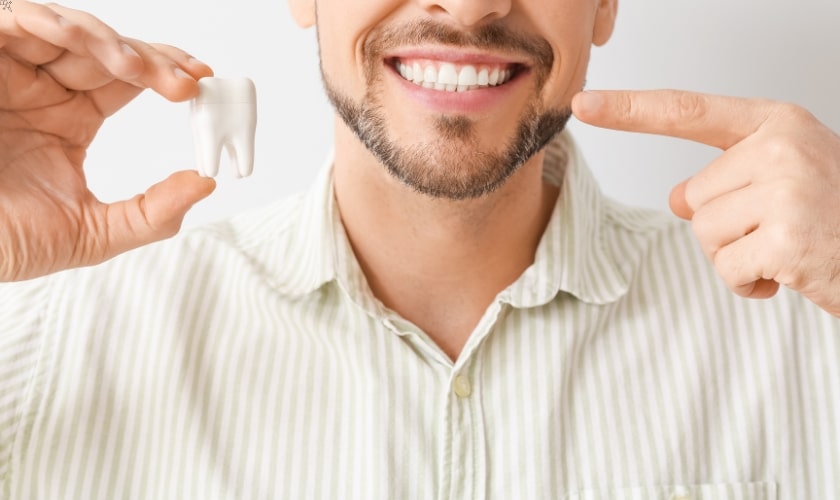
Veneers can be a fantastic option for achieving a perfect smile, but sometimes, they might not be the right fit for everyone long-term. Whether due to discomfort, aesthetic changes, or other reasons, some people consider removing their veneers. This blog will explore the entire process, from why you might want to remove your veneers to what happens afterward.
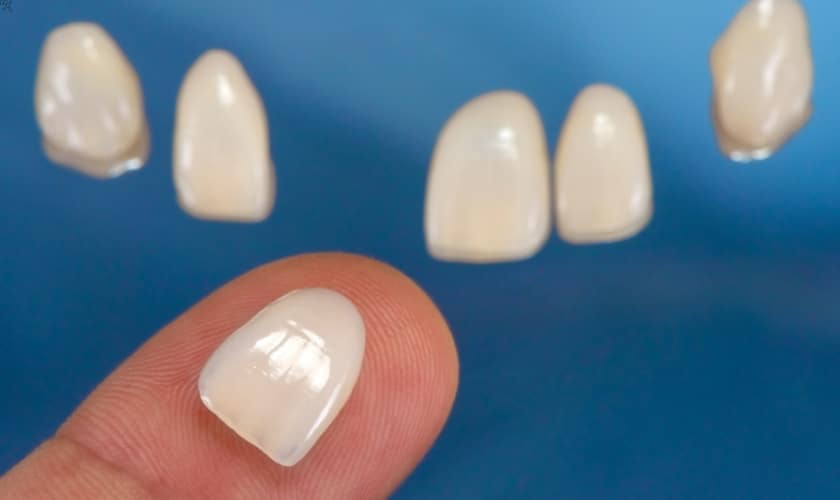
Reasons for Veneer Removal
Health Issues
Sometimes, veneers can cause health issues like gum irritation, tooth sensitivity, or decay underneath the veneer. If you experience any of these problems, it might be a sign that veneer removal is necessary.
Discomfort
Not everyone adjusts well to veneers. Some may experience ongoing discomfort or feel that their veneers don’t fit properly. This discomfort can be a compelling reason to consider removal.
Aesthetic Preferences
Tastes change, and so do aesthetic preferences. If you no longer like how your veneers look or if they’ve become discolored or damaged, you might want to have them removed or replaced.
Replacement Needs
Veneers, like all dental restorations, have a lifespan. Over time, they may need to be replaced due to wear and tear, damage, or other factors.
The Veneer Removal Process
How Are Veneers Removed?
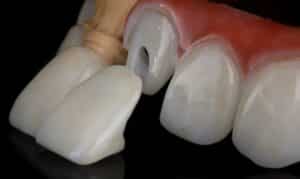
Removing veneers is a delicate process best performed by a dental professional. The dentist will carefully remove the veneer using specialized tools to avoid damaging the underlying tooth. It’s a meticulous procedure that requires precision.
Risks of Removal
Removing veneers can carry some risks, such as tooth sensitivity or damage to the underlying tooth structure. It’s essential to discuss these risks with your dentist beforehand.
Cost of Removal
The cost of veneer removal can vary based on several factors, including the complexity of the procedure and your location. It’s crucial to get a detailed estimate from your dentist to understand the financial implications.
Aftercare Post Removal
Immediate Aftercare
After removing veneers, your teeth may be sensitive and require special care. Your dentist will provide specific instructions on how to manage this sensitivity and keep your teeth clean.
Long-Term Care
Long-term care involves maintaining good oral hygiene and possibly considering alternatives to veneers. Regular dental check-ups will help ensure your teeth remain healthy post-removal.
Appearance of Teeth
Post removal, your teeth may look different, especially if they were reshaped for the veneers. Discuss with your dentist what to expect in terms of appearance and any cosmetic options available to you.
Alternatives to Veneers
If veneers aren’t right for you, there are several alternatives to consider:
Bonding
Dental bonding can be a less invasive option for improving the appearance of your teeth.
Crowns
Dental crowns cover the entire tooth and can be a good option if veneers aren’t suitable.
Whitening
If discoloration is a concern, professional whitening might be a viable alternative.
Personal Experiences and Professional Advice
Real Stories
Hearing from others who have undergone veneer removal can provide valuable insights. Look for reviews and personal stories to get a sense of what to expect.
Expert Opinions
Consulting with dental professionals will help you make an informed decision. They can provide tailored advice based on your specific dental health and aesthetic goals.
Common Questions About Veneer Removal
Is It Painful?
While there may be some discomfort, the process is generally not painful when performed by a skilled dentist.
How Long Does It Take?
The duration of the removal process can vary, but it typically takes one or two dental visits.
Can I Get New Veneers?
Yes, you can get new veneers after removal if desired. Your dentist will guide you on the best timing and type of veneers suitable for you.
Conclusion
Deciding to remove your veneers is a significant decision that should be made with careful consideration and professional advice. Understanding the reasons for removal, the process involved, and the aftercare required can help you make the best choice for your dental health and overall well-being. Always consult with a trusted dental professional to ensure the best outcomes for your smile.