
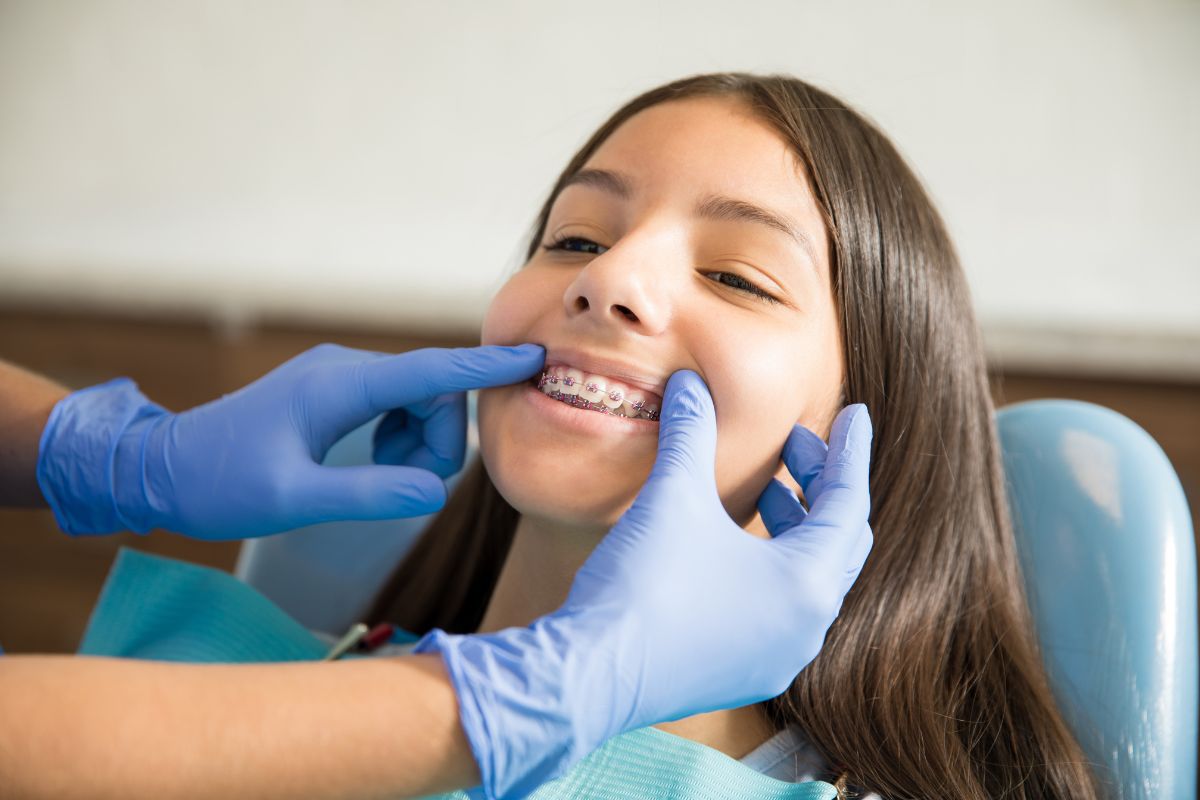
Orthodontic treatment is a significant milestone in your teen’s dental journey, helping to correct misalignments and improve both function and aesthetics. However, understanding the process is crucial for both the teenager and the parents. The treatment’s approach plays a pivotal role in ensuring the long-term health of your child’s smile, and the proper care can lead to an outcome that boosts both confidence and oral function.
Why Early Orthodontic Evaluation Is Important For Your Youngsters?
Starting orthodontic treatment early can significantly improve the effectiveness and duration of treatment. By the age of 7, children should have their first evaluation, as early intervention can address issues before they worsen. The goal is to ensure that teeth are correctly aligned and that the jaw functions optimally. Issues like overcrowding, bite problems, and gaps between teeth can be better managed at a young age, preventing more complex treatments in the future.
Types Of Orthodontic Devices For Growing Smiles
Several types of appliances can be used, each suited to different needs. The most common ones include:
- Braces: The most familiar form of dental alignment, traditional braces use brackets, wires, and bands to shift teeth into the correct position gradually.
- Invisalign: A more discreet option, Invisalign uses clear plastic aligners that are custom-fit to your junior’s teeth. Orthodontics in Garland provides this convenient, comfortable solution, which is removable, making it easier for them to maintain good oral hygiene throughout treatment.
- Retainers: After the active phase of treatment, retainers help maintain the teeth in their new positions. These are crucial in ensuring that the results last over time.
The Benefits Of Orthodontics For Teen Health And Confidence
Orthodontic treatment offers several significant benefits for your junior’s oral health and their self-esteem. A straight, healthy smile can have a profound impact on one’s confidence and overall well-being.
1. Improved Functionality
Dental alignment care enhances bite function by properly aligning teeth. This results in better chewing, speaking, and a healthier jaw.
2. Enhanced Aesthetics
A straighter smile can significantly boost your teenager’s self-esteem. The ability to smile freely and with confidence can have a lasting impact on social and academic interactions.
3. Long-Term Health Benefits
Proper tooth alignment can help prevent future oral health issues. It helps reduce the risk of tooth decay, gum disease, and abnormal wear, saving your youngster from invasive procedures later in life.
What To Expect During Orthodontic Treatment?
The process of teeth realignment typically begins with a thorough consultation. The orthodontist will assess your teen’s teeth, bite, and overall oral health using diagnostic tools like digital X-rays. Once the assessment is complete, a personalized treatment plan will be created.
During The Treatment Phase:
- Braces: Regular visits will be necessary to tighten or adjust the braces.
- Invisalign: Teenagers will switch to a new set of aligners every 1-2 weeks to gradually shift their teeth.
- Retainers: After the active treatment phase, retainers will be worn to help keep the teeth in their new positions.
Maintenance: Maintaining oral hygiene during treatment is crucial. Regular brushing, flossing, and avoiding stain-causing foods will ensure the best results.
Why Choose Us For Your Teenager’s Teeth Realignment Concerns?
At Campbell Crossing Dentistry, we offer comprehensive orthodontic care tailored to meet your teen’s unique needs. Our team of experienced professionals, led by Dr. Thomas A. Reed, DDS, and Dr. Fred Thompson, DDS, is committed to delivering the highest-quality jaw and tooth alignment services in a comfortable, friendly environment. Whether they need traditional braces or a discreet option like Invisalign, we ensure that their treatment plan is designed for optimal results.
Here is why our practice is the best choice:
- Supervised Care: We use the latest technology to ensure accurate diagnostics and effective treatments.
- Comfort And Convenience: Our goal is to make procedures smooth and comfortable for your junior.
- Comprehensive Services: From initial consultation to final retainer, we support youths every step of the way.
Orthodontics for your teen is an investment of time in their long-term health and confidence. Whether they need traditional braces or a more subtle solution like Invisalign, we are here to guide them through every stage of the process. Visit our dental office in Garland today to schedule a consultation and take the first step toward a healthier, more confident smile for your growing youngsters.
Frequently Asked Questions (FAQs)
- At what age should my teen first visit an orthodontist?
Jaw and tooth alignment screenings are recommended at age 7 to detect developmental issues early and plan timely care. Early assessment helps determine whether immediate or delayed intervention aligns with your teen’s long‑term dental growth. - Will traditional braces or clear aligners be better for my adolescent’s smile?
The ideal treatment depends on your child’s specific alignment and lifestyle needs. A complete evaluation will reveal if conventional brackets or a subtler clear aligner option offers the best outcome. - Is ongoing discomfort expected during orthodontic treatment?
Initial mild pressure or soreness is normal when appliances are first placed or adjusted. Typically, this resolves within days when proper hygiene and prescribed care are consistently followed. - How can orthodontic care impact future dental and gum health for my teenager?
By aligning teeth and improving bite mechanics, smile correction care reduces uneven wear, lowers the risk of decay, and supports healthier gums. This proactive treatment can decrease the need for restorative dentistry later in life. - What role do parents play in supporting orthodontic success?
Your involvement, like reinforcing oral care, monitoring appliance wear, and attending follow-up visits, is crucial. Consistent support accelerates progress, enhances outcomes, and helps your teenager feel confident during treatment.