
That first missing tooth changes more than you expect. Suddenly, simple things, like biting into your favorite meal or speaking with ease, feel different. It’s not just physical; it can affect how you carry yourself in everyday conversations.
Naturally, many patients ask: Do dental implants actually feel like real teeth?
The answer may surprise you. Today’s advancements allow this restoration to closely replicate the function, stability, and feel of natural teeth. Whether you’re grabbing a bite at the Intrinsic Smokehouse and Brewery or heading out for a busy day around Garland, having a secure, natural-feeling smile helps you move through life without second-guessing it.
What Makes Dental Implants Feel Natural?
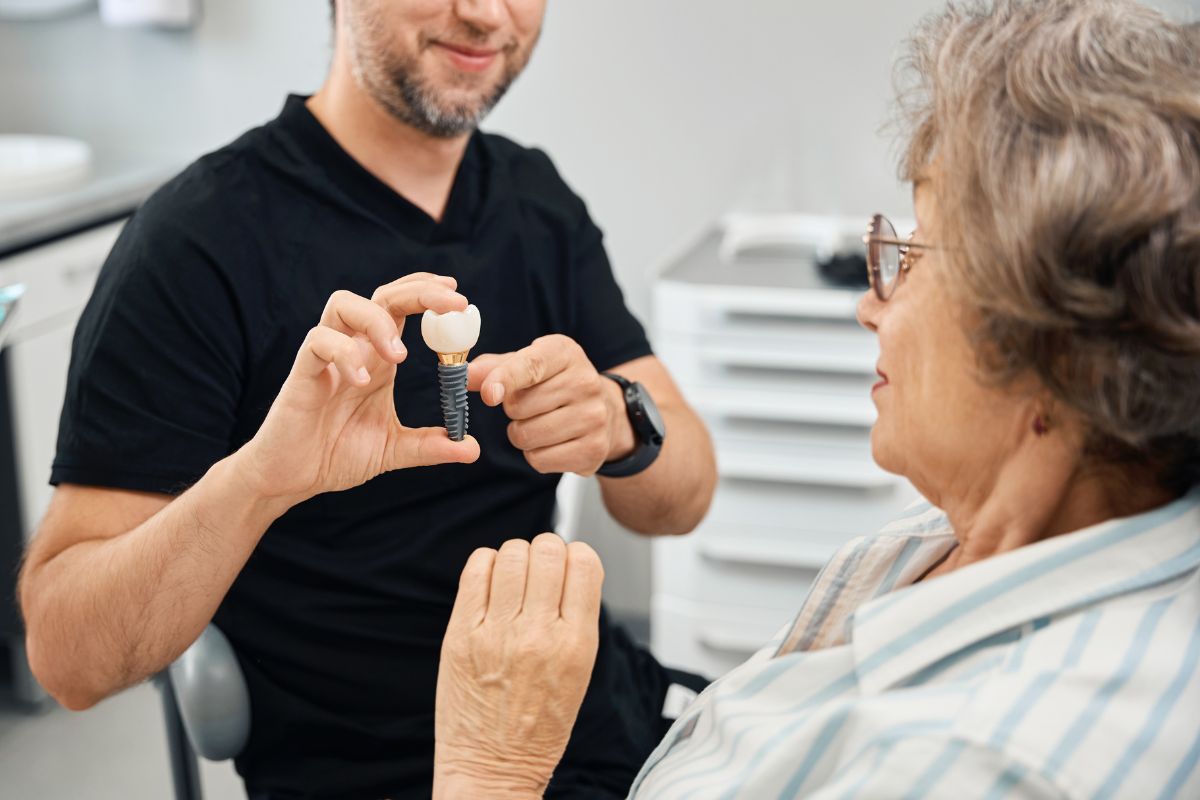
The biggest difference between advanced tooth replacement and traditional options lies in how they are supported. Instead of resting on the gums, a small titanium post is placed into the jawbone. This acts like a natural root and provides a firm foundation.
Over time, the bone bonds with the post in a process known as osseointegration. This creates stability, allowing the replacement tooth to function just like a natural one. You can bite, chew, and speak without hesitation.
Unlike removable options, there is no slipping or shifting. That alone makes a significant difference in how natural it feels.
Do You Feel Pressure While Chewing?
Yes, but in a good way. Natural teeth have ligaments that sense pressure. While artificial tooth roots lack these ligaments, the surrounding bone adapts over time.
Patients regain about 80–90% of their original biting force, according to clinical studies. This means you can enjoy foods like crisp apples or grilled meals without hesitation. Most people stop noticing any difference after a few weeks.
How Long Does It Take To Feel Normal?
Healing plays a key role in how quickly things feel natural. Initially, you may notice slight tightness or awareness in the area. This is completely normal.
Within 2 to 6 weeks, the soft tissue recovers. Over the next few months, the bone integrates fully. After this phase, the oral prostheses becomes part of your mouth’s structure. Patients often forget which tooth was replaced.
What Patients Notice After Healing?
After the recovery phase, most patients report that their new teeth feel stable and dependable. At first, there may be slight awareness as your mouth adjusts. This is completely normal and temporary.
Once fully integrated, daily activities feel natural again:
- Eating crunchy or chewy foods becomes easier.
- Speaking feels clear and effortless.
- Smiling feels more relaxed and confident.
- There is no need to worry about movement.
Are They Comfortable For Daily Life?
Comfort is one of the biggest advantages. Unlike dentures, there is no slipping or movement. You won’t need adhesives or worry about them shifting while talking.
They also help maintain facial structure. When teeth are missing, bone loss can occur, leading to a sunken appearance. Prosthetic teeth prevent this by stimulating the bone, just like natural roots. If you’re considering this option in Garland, consulting a trusted implant dentist can help determine the right approach for your specific needs.
Do They Look And Blend Like Natural Teeth?
Yes, and this is where modern dentistry truly stands out. The crown placed on top is custom-designed to match your surrounding teeth in color, shape, and size.
This creates a seamless appearance that blends naturally into your smile. Even in bright outdoor settings or social gatherings, they remain virtually indistinguishable. That’s why many patients searching for “best tooth replacement option that feels natural” choose implanted teeth surgery as their long-term solution.
What About Sensitivity Or Pain Post-Implant Surgery?
Once healing is complete, there should be no pain. Unlike natural teeth, implants cannot develop cavities or nerve sensitivity. However, the surrounding gums and bone still require proper care. Good oral hygiene and regular checkups ensure long-term success. If discomfort occurs, it usually signals an issue that needs professional attention.
How Prosthetic Teeth Compare To Other Restorative Solutions?
Traditional dentures and bridges may restore appearance, but they often fall short in comfort.
- Dentures can shift during meals.
- Adhesives may be needed daily.
- Bridges rely on adjacent teeth for support.
In contrast, this solution becomes part of your jaw structure. It offers a level of stability that other options cannot match. This is why many patients prefer it for long-term results.
What Are The Long-Term Benefits Beyond The Comfort?
An implant dentist in Garland often recommends artificial tooth roots because they replace not just the visible part of the tooth but also the root, which plays a critical role in maintaining jaw health.
- Prevents bone loss in the jaw.
- Supports facial structure.
- Keeps surrounding teeth stable.
- Reduces long-term complications.
Should You Consider Prosthetic Teeth For Missing Teeth?
If you’re dealing with missing teeth, this option offers unmatched stability and realism. It restores not just your smile, but your lifestyle.
From enjoying meals to speaking clearly in social settings, implants bring back normalcy. For families living in Garland or nearby areas, where outdoor dining at the Pangea Restaurant and Bar and community events like the Art Made Here or The Urban Market are common, this makes a noticeable difference.
If you’re ready to take the next step, visit our dental office in Garland to explore how artificial tooth roots can transform your smile and daily comfort.
Experience The Confidence Of A Natural Smile
At Campbell Crossing Dentistry, we understand that living with missing teeth can affect your comfort, confidence, and daily life. That’s why we focus on delivering dental implants that truly feel natural, secure, and long-lasting. Our team is committed to guiding you through every step with precision, care, and a patient-first approach. With advanced techniques and personalized attention, we ensure your smile feels as good as it looks. Book an appointment with us today to achieve a confident, fully restored smile.
Frequently Asked Questions (FAQs)
1. Can dental implants break?
Although rare, implanted teeth can fracture if subjected to excessive force or trauma. Their success relies on proper placement and care, so sudden impact or poor bone support increases the risk of breakage.
2. Can a dental implant fail to integrate with bone?
Yes, in some cases, the dental post may not fully fuse with the jawbone, known as failed osseointegration. Factors like smoking, poor bone quality, or infection can interfere with healing and stability.
3. How do prosthetic teeth affect the surrounding bone?
Dental implants stimulate the jawbone in a way similar to natural tooth roots, helping prevent bone loss. Without stimulation, bone can resorb, leading to facial changes and decreased support for adjacent teeth.
4. Can dental implants be used to support dentures?
Yes, the dental post can anchor dentures securely, eliminating slippage and the need for adhesives. Implant‑supported dentures improve chewing efficiency and comfort compared to traditional removable options.
5. Are artificial tooth roots susceptible to gum disease?
While the prosthesis itself can’t decay, the surrounding tissues can develop peri‑implant disease if not properly cleaned. Regular hygiene and professional care help protect both your dental work and natural gums.