
Losing a tooth changes more than your smile. It can affect how you chew, speak, and maintain your oral health over time. Many people also wonder whether a replacement option can truly last for decades or if it will eventually need to be replaced. If you have been researching dental implants in Garland, understanding what makes them long-lasting is an important first step.
At Campbell Crossing Dentistry, Dr. A Reed helps patients understand every stage of treatment so they can make informed decisions based on their oral health, lifestyle, and long-term goals.
This guide explains whether implants are permanent, what determines their lifespan, how they compare with other tooth replacement options, and what you can do to help them remain healthy for many years.
Are Dental Implants Permanent?
The implant itself is designed to be a long-term replacement for a missing tooth, but every part of the restoration does not necessarily last forever.
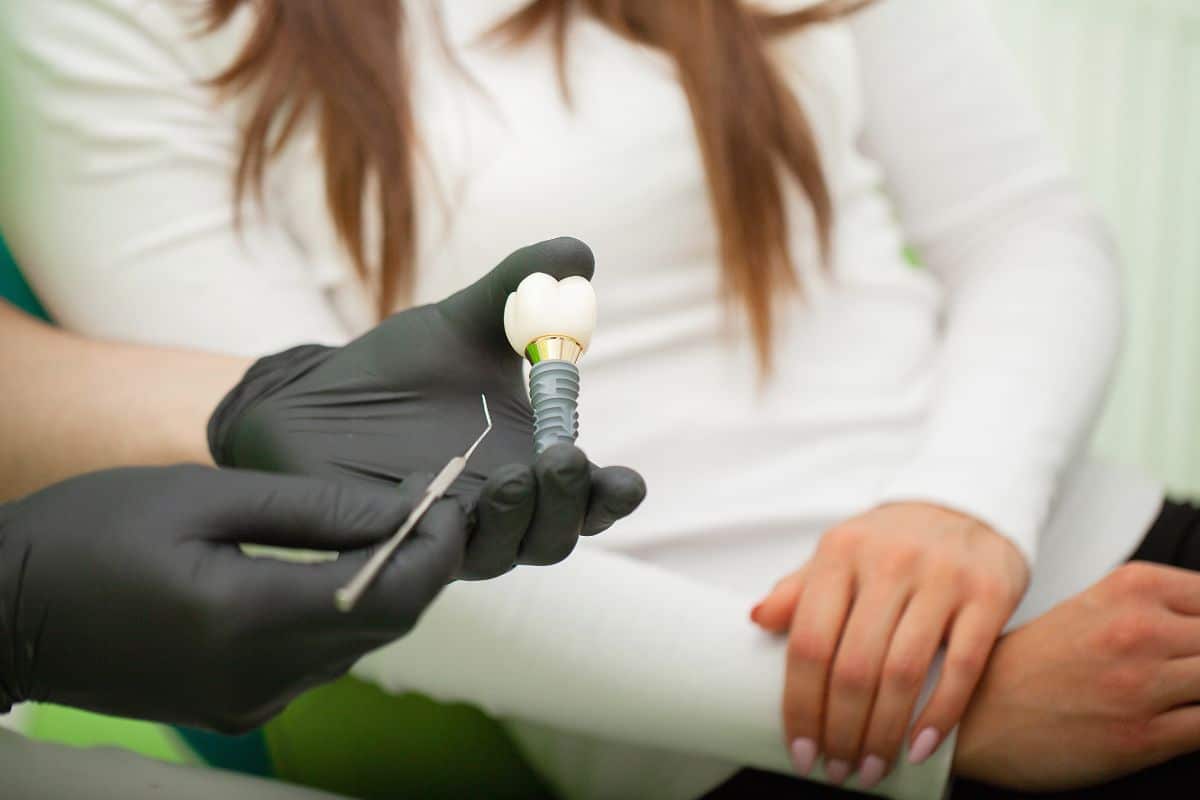
The titanium implant post is placed into the jawbone, where it gradually fuses with the bone through a natural biological process called osseointegration. Once healing is complete, the implant becomes a stable foundation for an implant-supported crown, bridge, or denture.
While the implant post may remain functional for decades, the visible restoration attached to it can eventually need repair or replacement because of normal wear.
In most cases:
- The implant post is designed to serve as a long-term artificial tooth root
- The crown or restoration may need replacement after many years of daily use
- Proper oral hygiene and regular professional care play a major role in long-term success
This distinction is often overlooked, making it one of the biggest misconceptions surrounding implant treatment.
How Long Do Dental Implants Last?
Many patients asking how long do tooth implants last are really asking whether they will ever need another tooth replacement.
For many healthy adults, the implant itself can remain stable for several decades. Numerous clinical studies have shown excellent long-term outcomes when implants are placed correctly and maintained with consistent care.
Several factors influence the lifespan of implants, including:
-
Quality of the Jawbone
Healthy bone provides strong support for the implant. Adequate jawbone health allows the implant to integrate successfully and remain stable over time.
-
Healthy Gum Tissue
Healthy gums protect the implant from bacterial infection. Untreated gum disease or inflammation around the implant can compromise surrounding tissues and affect long-term stability.
-
Daily Home Care
Just like natural teeth, implants require brushing, flossing, and routine professional cleanings. Proper dental implant care helps reduce plaque buildup and protects both the surrounding gums and supporting bone.
-
Lifestyle Habits
Smoking, uncontrolled diabetes, nighttime teeth grinding, and poor oral hygiene may reduce dental implant longevity and increase the likelihood of future complications.
Although every patient is different, many people continue enjoying their implant restorations for decades with consistent maintenance.
What Makes Dental Implants So Durable?
One reason implants have become a preferred option for replacing missing teeth is their ability to function much like natural tooth roots.
Unlike removable appliances that rest on top of the gums, implants become part of the jaw through osseointegration.
Their durability comes from several unique characteristics:
- The implant post is typically made from highly biocompatible titanium.
- The surrounding bone bonds directly to the implant surface.
- Chewing forces are transferred naturally into the jawbone.
- The implant supports long-term bone preservation, helping reduce future bone loss.
- Modern restorations are designed to withstand everyday biting and chewing forces.
Another advantage is that implants do not rely on neighboring teeth for support. A single tooth implant preserves the health of adjacent teeth while restoring normal bite function and chewing efficiency.
Patients considering permanent tooth replacement often appreciate that implants address both appearance and long-term oral function instead of simply filling an empty space.
Can Dental Implants Last Forever?
The question “Can dental implants last forever?” does not have a simple yes-or-no answer.
The implant post itself is designed to remain in the jaw for many years and may even last a lifetime for some patients. However, the crown attached to the implant experiences daily chewing forces and may eventually need replacement due to normal wear.
Most long-term success depends on maintaining healthy bone and gum tissue around the implant. When these supporting structures remain healthy, the implant has an excellent chance of providing decades of reliable function.
Rather than asking whether implants are permanent forever, a better question is whether they are a long-lasting tooth replacement. For many patients, the answer is yes.
What Can Affect Dental Implant Longevity?
Although implants have an excellent dental implant success rate, no restoration is completely maintenance-free. Several factors can influence how well an implant performs over time.
-
Poor Oral Hygiene
Plaque and bacteria can accumulate around implants just as they do around natural teeth. Without consistent brushing, flossing, and professional cleanings, inflammation may develop around the surrounding tissues.
Early treatment of inflammation helps protect periodontal health and reduces the risk of complications.
-
Smoking and Tobacco Use
Smoking slows healing and reduces blood flow to the gums. It may interfere with osseointegration during healing and increase the likelihood of implant-related complications later.
Patients who stop smoking before and after treatment often experience more predictable healing.
-
Teeth Grinding
People who clench or grind their teeth place greater pressure on restorations. Excessive bite forces may increase wear on the implant crown or other restorative components.
Your dentist may recommend a custom night guard if signs of grinding are present.
-
General Health Conditions
Medical conditions that affect healing, along with certain medications, may influence treatment planning. A complete evaluation helps determine whether additional preparation is recommended before the dental implant procedure begins.
Who Is a Good Candidate for Long-Term Implant Success?
Many adults with one or more missing teeth are candidates for implant treatment. The ideal candidate is not determined by age alone.
Instead, your dentist evaluates several important factors, including:
- Healthy gums with no active infection
- Adequate jawbone volume or treatment options to improve bone support
- Stable overall health
- Commitment to daily oral hygiene
- Regular preventive dental visits
Even patients who have experienced bone loss are not automatically excluded. Modern restorative dentistry offers procedures that may help rebuild lost bone before implant placement when appropriate.
At Campbell Crossing Dentistry, every evaluation is based on each patient’s oral condition rather than a one-size-fits-all approach. Some patients may benefit from a single tooth implant, while others may achieve better function with multiple tooth implants, an implant-supported bridge, or implant-supported dentures, depending on the number and location of missing teeth.
Why Does a Professional Evaluation Matter Before Treatment?
Many people delay replacing a missing tooth because it does not cause immediate discomfort. However, delaying treatment can allow neighboring teeth to shift and may contribute to gradual changes in bite alignment and jawbone support.
A comprehensive evaluation provides valuable information about:
- Overall oral health
- Bone quality and available support
- Healthy gum condition
- Bite alignment
- Appropriate restoration options
- Expected healing timeline
Digital imaging allows your dentist to examine the bone beneath the gums and determine whether implant placement is appropriate. This detailed planning improves precision and helps identify any concerns before treatment begins.
If you have been considering dental implants in Garland, discussing your options sooner rather than later can preserve more treatment choices. An early consultation also allows you to ask questions, understand the expected dental implant healing process, and decide whether implant therapy aligns with your long-term oral health goals.
If you are ready to restore your smile and learn whether implant treatment is appropriate for you, book an appointment to receive a comprehensive evaluation and personalized treatment recommendations.
Maximize the Lifespan of Your Dental Implant
Choosing an implant is not simply about filling a space where a tooth is missing. It is about restoring comfort, protecting your jawbone, and supporting long-term oral health. The habits you develop after treatment will have a lasting impact on your results.
To help protect your restoration:
- Brush twice each day with a soft-bristled toothbrush.
- Clean around the implant daily using floss or other recommended cleaning aids.
- Keep regular dental examinations and professional cleanings.
- Avoid smoking whenever possible.
- Wear a night guard if you grind your teeth.
- Report any discomfort, swelling, or changes around the implant promptly.
With proper care, regular monitoring, and healthy lifestyle habits, implants can remain a dependable part of your smile for many years.
Protect Your Smile with the Right Long-Term Solution
A dental implant is one of the most predictable options for replacing a missing tooth because it restores both function and appearance while supporting the surrounding bone. Although the visible restoration may eventually require maintenance or replacement, the implant itself is designed to provide long-term stability when cared for properly.
If you have questions about the durability of implants or want to know whether implant treatment is right for you, Dr. A Reed and the team at Campbell Crossing Dentistry are here to help. Whether you live in Garland or nearby communities such as Richardson, Rowlett, Sachse, Murphy, or Mesquite, we welcome you to visit our dental office in Garland to receive a comprehensive evaluation and learn about your tooth replacement options. Proper guidance today can help you enjoy a healthier, stronger smile for years to come with dental implants.
Frequently Asked Questions
1. How Painful Is The Dental Implant Procedure?
Most patients report that implant placement is more comfortable than they expected. Local anesthesia keeps the area numb during the procedure, and mild soreness afterward is usually manageable with recommended medications. A dental evaluation can help determine the most appropriate treatment approach and answer any concerns before treatment begins.
2. Can I Eat Normally After Getting An Implant?
Yes, but only after the healing process is complete. During the initial healing period, your dentist will recommend softer foods while the implant integrates with the jawbone. Following these instructions helps promote proper healing and supports long-term success before returning to a regular diet.
3. What Happens If I Have Bone Loss Before Implant Treatment?
Bone loss does not always prevent implant placement. Many patients remain candidates after additional procedures that improve bone support. A detailed examination with digital imaging allows your dentist to evaluate the amount of available bone and recommend the most appropriate treatment plan.
4. Are Implants Better Than A Traditional Bridge?
Both treatments have advantages, but implants can preserve surrounding teeth because they do not require neighboring teeth for support. They also help maintain jawbone health by stimulating the bone during chewing. A professional evaluation will determine which option is most appropriate for your specific oral health needs.
5. How Often Should Dental Implants Be Checked?
Implants should be examined during your routine dental visits, typically every six months unless your dentist recommends a different schedule. Regular checkups allow early detection of gum inflammation, bite changes, or restoration wear, helping protect the implant and supporting tissues for the long term.