
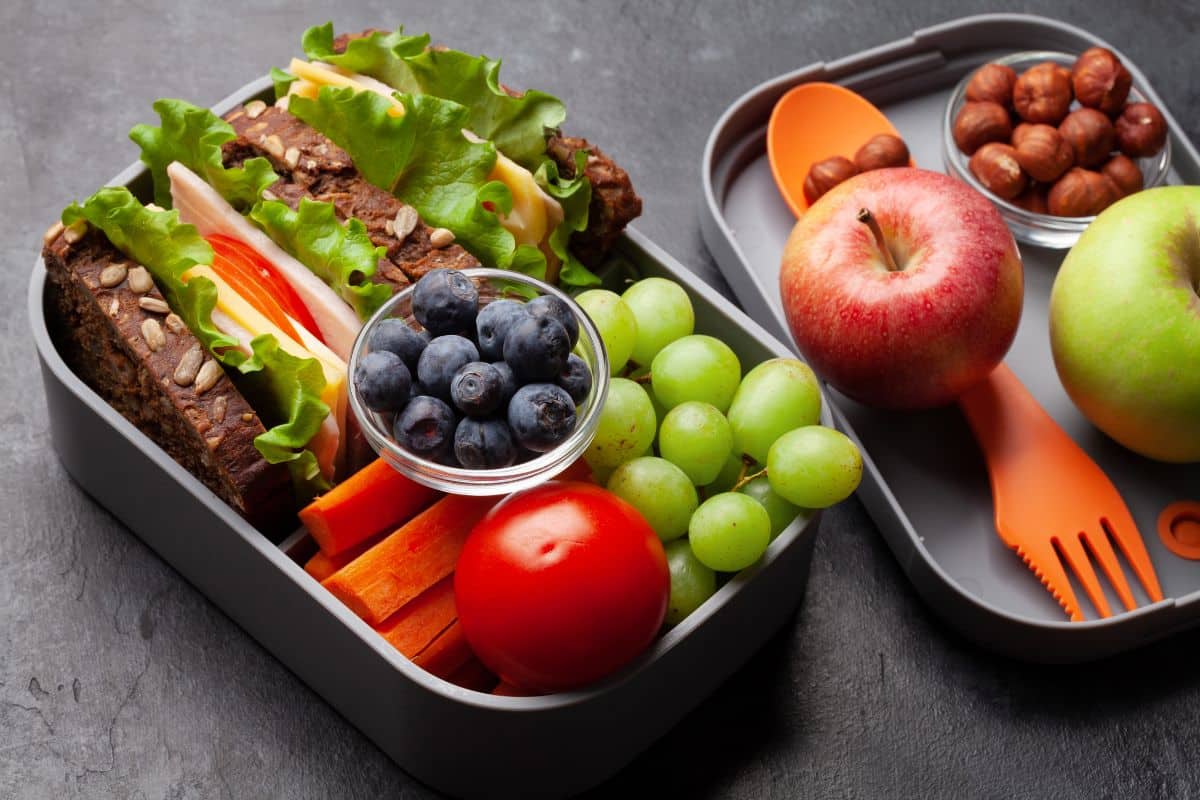
Packing a nutritious lunch is one of the easiest ways parents can support their child’s oral health. In Garland, families are becoming more mindful of choosing foods that fuel growing bodies while helping protect developing teeth. Every snack included in a lunchbox can either support healthy enamel or contribute to tooth decay. By making thoughtful food choices, parents can encourage healthy eating habits that benefit children both at school and at home.
Why Lunchbox Choices Matter for Healthy Teeth
The foods children eat during the school day have a lasting impact on their oral health. Sugary and sticky snacks allow harmful bacteria to produce acids that gradually weaken tooth enamel. Frequent snacking on processed foods can increase the risk of cavities, especially when brushing isn’t possible after lunch.
A balanced lunch rich in nutrient-dense foods supports stronger teeth, healthier gums, and overall wellness. Foods high in calcium, phosphorus, fiber, and vitamins help maintain enamel while supporting normal oral development.
Healthy Foods Help Protect Tooth Enamel
Crunchy fruits, vegetables, dairy products, and lean proteins provide nutrients that strengthen teeth. These foods also encourage saliva production, which naturally helps rinse away food particles and neutralize acids inside the mouth.
Pack Fresh Fruits and Crunchy Vegetables
Fresh produce is one of the healthiest additions to any lunchbox. Apples, pears, carrots, cucumbers, celery, and bell peppers are naturally high in fiber and water content, making them excellent choices for growing smiles.
Many parents in Garland visiting a trusted dentist are surprised to learn that crunchy fruits and vegetables help clean tooth surfaces while stimulating saliva flow. Pairing fresh produce with cheese or plain yogurt creates a satisfying snack that supports both nutrition and oral health.
Choose Whole Foods Instead of Processed Snacks
Whole fruits are a healthier alternative to sticky fruit snacks or sugary treats. While natural fruit contains sugar, its fiber and water help reduce prolonged contact with the teeth. Choosing minimally processed foods also limits unnecessary added sugars that contribute to plaque buildup.
Include Dairy, Protein, and Water
Cheese cubes, plain yogurt, boiled eggs, turkey slices, grilled chicken, and nut butter, where appropriate, are all excellent lunchbox additions. Dairy products provide calcium and phosphorus that help maintain strong enamel, while protein supports healthy tissue development.
Water is the ideal beverage for school lunches because it helps rinse away food particles without exposing teeth to sugar. Replacing sweetened drinks with water is a simple habit that benefits oral health throughout the day.
Small Daily Choices Create Long-Term Benefits
Consistently packing nutritious lunches helps children develop eating habits that support healthier teeth as they grow. These simple choices can reduce the likelihood of cavities while promoting overall wellness.
Support Healthy Habits Beyond the Lunchbox
Healthy lunches work even better when combined with consistent oral hygiene. Children should brush twice daily with fluoride toothpaste and floss once their teeth begin to touch. Routine dental visits also play an important role in identifying concerns early and supporting healthy smiles.
If you have questions about nutrition or preventive dental care, visit our dental office in Garland to receive guidance that fits your family’s oral health goals.
Encourage Smart Snacking Every Day
Planning balanced lunches with fresh ingredients helps children enjoy meals while protecting their teeth. Replacing sugary snacks with healthier alternatives can make a meaningful difference in long-term oral health.
Packing smile-friendly lunches is an easy way to help children maintain healthy teeth throughout the school year. Fresh fruits, vegetables, dairy products, lean proteins, whole grains, and plenty of water all contribute to stronger enamel and healthier gums. Combined with consistent brushing, flossing, and routine dental visits, these nutritious choices help create lasting oral health habits that benefit children for years to come.
Healthy eating and preventive dental care go hand in hand. Contact us today to schedule an appointment and receive personalized recommendations for protecting your family’s smiles.
FAQs
- What are the healthiest snacks for children’s teeth?
Fresh fruits, vegetables, cheese, yogurt, boiled eggs, and whole-grain foods are excellent choices. - Why are crunchy fruits and vegetables beneficial for oral health?
They stimulate saliva production, which helps wash away food particles and neutralize acids. - Is water better than juice for school lunches?
Yes. Water hydrates the mouth without exposing teeth to added sugars. - Are dairy products beneficial for strong teeth?
Yes. Cheese and yogurt contain calcium and phosphorus that help strengthen tooth enamel. - Which lunchbox foods should be limited?
Sticky candies, sugary beverages, and heavily processed snacks can increase the risk of tooth decay. - How often should children brush their teeth?
Children should brush twice daily with fluoride toothpaste and floss once every day. - Why are regular dental checkups important for children?
Routine visits help monitor oral development, detect concerns early, and support lifelong healthy smiles.