
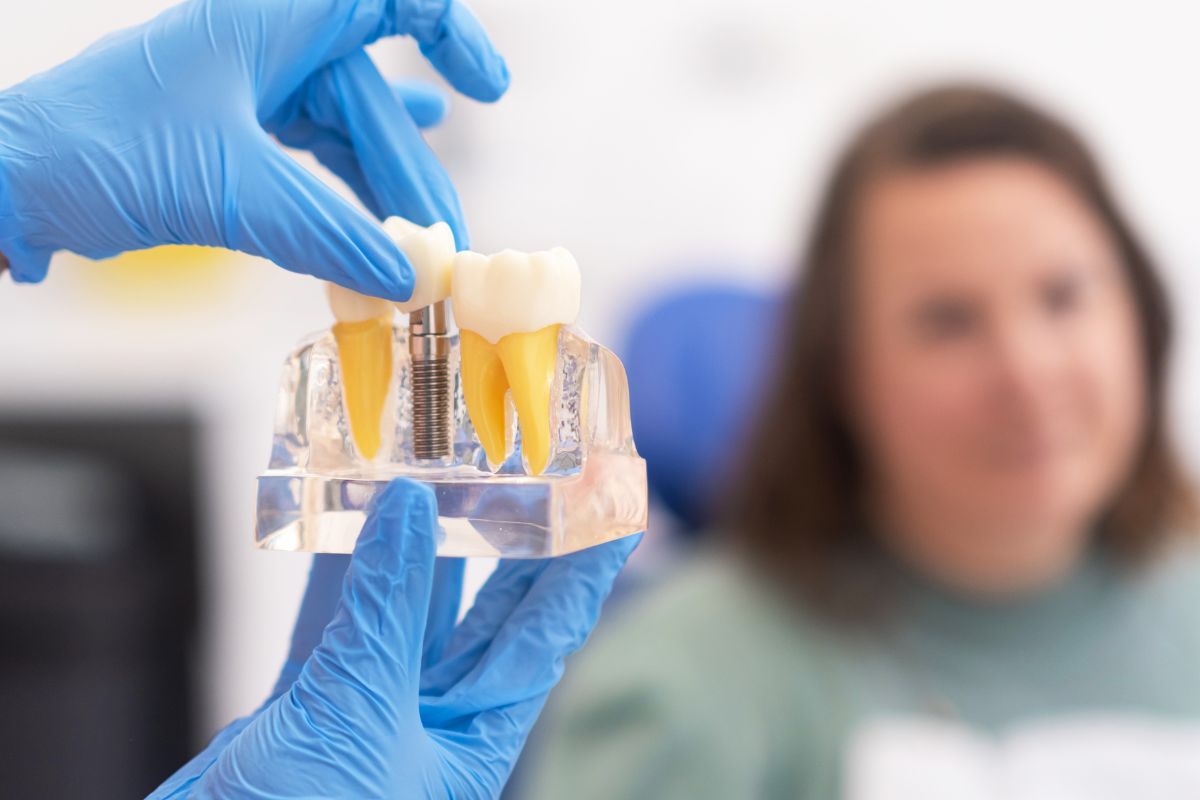
Dental implants are a popular and reliable option for replacing missing teeth. For those in Garland, TX, who are looking to improve their smile and restore their bite, implants offer a durable solution. However, like any surgical procedure, dental restorations come with their own set of risks. While these modern dental solutions are designed to last, watch for warning signs of trouble. Here are seven red flags to watch for if you’re considering or already have dental implants.
7 Symptoms that Show Your Implant Needs Adjustment
Taking immediate action can help prevent complications; if you notice any of the signs listed below, visit our dental office. Here are the signs that indicate that your restoration needs immediate medical attention:
1. Persistent Pain or Discomfort
If you’re experiencing pain that lasts longer than expected after getting your dental restorations, it could be a sign of complications. Minor discomfort is typical after the procedure, but if the pain continues beyond a few days, it’s worth visiting your dental office. Persistent pain may indicate infection, improper placement, or issues with the fixture’s integration with the bone. Common causes of persistent pain:
- Infection around the implant site.
- Implant failure or shifting.
- Nerve damage caused by the surgical procedure.
2. Implant Mobility
A key feature of these permanent replacements is their ability to fuse with the jawbone, a process known as osseointegration. If your restoration feels loose or shifts in the gum, this is a significant warning sign. A loose fixture may be due to bone loss, infection, or other complications that affect the stability. Be sure to consult your dentist if you notice any movement.
3. Gum Recession
Gum recession around your surgical site can expose the metal part of the fixture. This might not only affect the appearance of your smile but could also lead to further complications, such as infections or increased sensitivity. Receding gums can be a sign of an underlying problem, including an infection or the body’s inability to properly integrate the restoration. How to identify gum recession:
- Visible exposure of the fixture or metal part.
- Increased sensitivity at the surgical site.
- Gaps are forming between your gums and the implant.
4. Swelling or Redness
Swelling and redness are common after fixture placement, but if they persist or worsen over time, it may indicate an infection or inflammation. Swelling should go down within a few days, so if you notice continuous swelling, it’s important to visit your dental office in Garland. You might also notice that the surrounding gum tissue becomes irritated or inflamed.
5. Discoloration or Dark Spots Around the Implant
If you notice any dark spots around your surgical site, it could be a sign of infection or failure. Dark spots may also occur due to bone loss, and the restoration might not be fully integrated with the jawbone. This issue should be checked immediately to prevent further complications.
6. Bad Breath or Unpleasant Taste
Persistent bad breath or an unpleasant taste around the restoration can be a sign of infection. This is often associated with peri-implantitis, an infection of the tissue surrounding the fixture. If left untreated, peri-implantitis can lead to failure, so it’s essential to seek dental care right away.
7. Difficulty Chewing or Biting
One of the key advantages of these permanent replacements is that they restore normal chewing function. However, if you’re experiencing difficulty chewing or biting down on certain foods, the implant may be misaligned or failing. Uneven pressure on the fixture could lead to discomfort or potential damage.
Key Considerations Before Getting Dental Implants
Dental implants in Garland, TX, offer a lasting solution for tooth replacement, but it’s essential to be aware of potential issues. Regular checkups and being proactive about any discomfort or changes in the surgical area can help prevent larger problems. If you notice any of the signs mentioned above, don’t hesitate to seek professional care. For residents in this city, visiting our dental office for routine checkups or if you’re experiencing any of these symptoms.
Keep Your Smile Healthy with Us
Dental restorations offer a secure and long-lasting solution for those looking to restore their smiles. However, it’s essential to stay vigilant for any signs of trouble. If you’re experiencing pain, discomfort, or other issues related to your implants, visit Campbell Crossing Dentistry for expert care. Our team is here to ensure your fixture functions beautifully and lasts for years to come. Contact us today to schedule your consultation!
FAQs
- What is the recovery time for dental implants?
Recovery from the surgery typically takes several months as the fixture integrates with the jawbone. It’s essential to follow aftercare instructions to ensure proper healing and avoid complications.
- Can a dental implant fail?
Yes, while rare, dental restorations can fail due to infection, poor osseointegration, or complications from the surrounding bone structure. Regular checkups can help catch issues early.
- How long do dental implants last?
Dental restorations are designed to be a long-lasting solution, often lasting 20-25 years or more, depending on how well they are cared for. Proper oral hygiene and regular dental visits help prolong the life of your permanent replacements.