
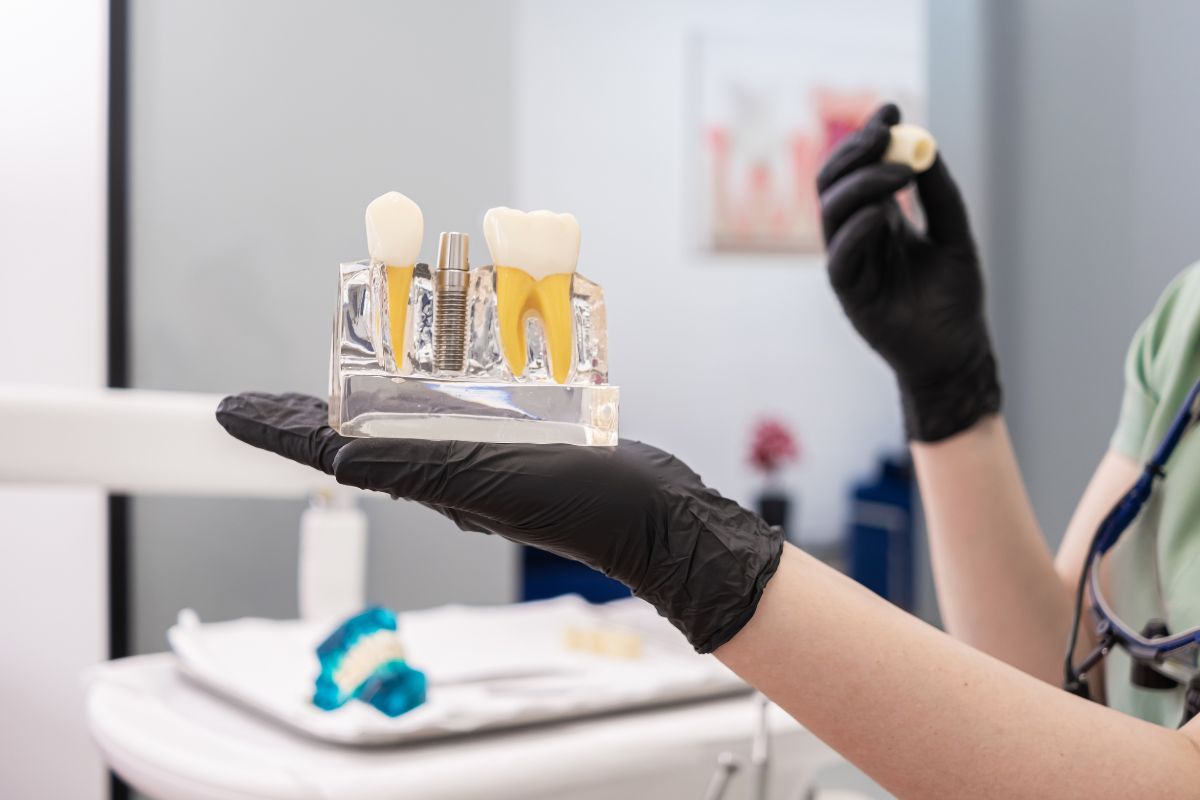
Receiving dental implants can be life‑changing as it gives you back confidence, function, and a natural smile. While the procedure itself is simple, the body’s healing journey takes time. For those in Garland, knowing what to expect at each stage allows for clearer, more confident planning of daily routines, work, and seasonal activities. Every artificial tooth root heals in phases, and understanding them can make recovery feel predictable rather than uncertain. In this guide, we break down what happens from the moment your surgery is completed to when your smile feels completely natural.
The First 24 – 48 Hours: Your Body Gets To Work
Right after the procedure, your body immediately begins sealing the surgical site. You can expect mild swelling, some tenderness, and a little bleeding, all completely normal. This is your immune system showing up.
What helps most during this phase:
- Stick to soft, cool foods like yogurt, mashed potatoes, and smoothies
- Avoid spitting forcefully or using a straw
- Rest and keep your head slightly elevated when sleeping
The discomfort is usually manageable with over-the-counter medication or a prescribed alternative.
Weeks 1 – 2: Soft Tissue Closure
Over the next couple of weeks, the gum tissue closes around the post. Swelling subsides noticeably, and most people return to their normal routine within a few days. Light activity is fine, but this isn’t the time to jump back into strenuous workouts.
For Garland residents, give yourself some time to heal before heading to the Firewheel Town Center to shop or enjoy an evening walk through Audubon Park. Even a quick walk causes strain on the surgical area and supports a smoother healing process.
Weeks 2 – 12: Osseointegration, Building Implant Stability
This is the most critical phase, and it’s largely invisible. A process called osseointegration, where the titanium post fuses directly with your jawbone, takes place over 8 to 12 weeks. Think of it like a new plant establishing its roots. For dental implants in Garland, your specialist’s expertise is key to ensuring the process goes smoothly and successfully. Proper placement technique directly affects how well this fusion takes hold.
What’s happening beneath the surface:
- Bone cells migrate to the titanium surface
- The post gradually becomes anchored in the jaw
- Blood vessels and tissue regenerate around the fixture
During this time, avoiding smoking and maintaining blood sugar levels (especially important for diabetic patients) makes a measurable difference in success rates.
Months 3 – 6: Building Toward The Final Restoration
Once osseointegration is confirmed, usually through an X-ray, the abutment (connector piece) is attached. Then impressions are taken to custom-fabricate your permanent crown.
This phase often coincides with Garland’s warmer months, and many patients wonder if spring festival foods or summer barbecues are still suitable. The reassuring news is that by around the fourth or fifth month, most people find themselves comfortably enjoying a wide variety of foods again. However, it is suggested to take your time and gradually reintroduce harder textures.
Signs your integration is progressing well:
- No persistent soreness or mobility in the post
- Gum tissue looks healthy and pink, not inflamed
- Bite feels stable and comfortable
Month 6 And Beyond: Full Function, Long-Term Care
By the six-month mark, the artificial tooth root restores and functions normally. The permanent crown is seated, and the fixture acts just like a natural tooth root. With proper hygiene, brushing twice daily, flossing around the restorations, and scheduling regular professional cleanings, your dental work can last decades.
Here’s an important fact to know: when a prosthetic tooth is properly placed, the surrounding bone remains stimulated, which helps maintain its density over time. This contrasts with traditional bridges or missing teeth, where the bone may gradually deteriorate due to a lack of stimulation.
How To Support A Smooth Recovery?
To make the healing process as smooth as possible:
- Maintain gentle but thorough hygiene around the site
- Eat a soft diet in the first weeks and chew on the opposite side early on
- Stay hydrated, especially during Garland’s warm seasons
- Avoid smoking and alcohol until fully healed
Consistent care at each stage helps ensure your dental work remains a strong, long‑lasting part of your smile.
How Garland’s Seasons Can Affect Your Implant Healing?
The city’s extreme heat and humidity in summer and cool, dry winters can affect how comfortably your mouth heals after prosthetic tooth surgery.
During summer, dehydration from outdoor activities like golfing at Duck Creek Golf Club or attending concerts can reduce saliva production. This leaves your surgical site vulnerable. Stay hydrated to maintain your body’s natural defense around your dental restoration.
In winter, dry air and indoor heating can increase gum sensitivity and dryness. A humidifier in your bedroom and avoiding alcohol-based rinses can help prevent further irritation. While your healing timeline remains the same, adjusting your care routine to the seasons helps ensure a smoother recovery.
Signs Of Complications And When To Seek Help
While complications after receiving a dental implant in Garland are rare, it’s important to be aware of potential warning signs. These include:
- Persistent pain or swelling that doesn’t improve after a few days
- Excessive bleeding that doesn’t stop
- Fever or signs of infection, such as pus around the implant area
- Unusual shifts or discomfort when chewing or speaking
If you notice any of these symptoms, it’s important to visit our dental office in Garland right away. Early intervention can prevent minor issues from becoming serious and help ensure a smooth recovery.
Embrace Your New Smile With Confidence
Taking the time to understand the stages of recovery empowers you to plan, protect your health, and enjoy life in Garland without unnecessary worry. From the first few days of soft tissue repair to the months‑long integration phase, each milestone brings you closer to a fully restored smile. In the long run, artificial tooth roots help preserve bone, support facial structure, and restore chewing function once complete.
At Campbell Crossing Dentistry, we provide stress-free implant treatment and guide you through every phase of the healing timeline with precision and care. If you’re considering dental implants or already in the healing process, our team is dedicated to ensuring your recovery is smooth, informed, and comfortable. To learn more about what to expect and how we can support your healing, book an appointment for a personalized consultation.
Frequently Asked Questions (FAQs)
- How long does it take for a dental implant to heal fully?
Dental implant healing generally takes a few months, as osseointegration, the process where the titanium post fuses with the jawbone, can take up to 6 months. However, soft tissue healing may take less time. - Can I return to normal activities immediately after getting implanted teeth?
While the initial discomfort subsides quickly, it’s essential to avoid strenuous physical activities for the first few weeks. After the bone integration phase, you can resume your regular activities with confidence. - What can delay dental implant healing?
Factors like smoking, poor oral hygiene, or underlying health issues (e.g., diabetes) can slow the healing process. Following your dentist’s post-operative instructions can help minimize complications and improve healing times. - How can smoking affect the healing process of prosthetic teeth?
Smoking significantly hampers the healing of artificial tooth roots by reducing blood flow to the gums. This impairs bone integration and increases the risk of infection. Patients are strongly advised to avoid smoking during the healing period. - What role does bone density play in the success of implant healing?
Bone density plays a crucial role in the osseointegration process. Insufficient bone density can lead to implant failure, so an experienced dentist may recommend bone grafts or alternative treatments to ensure long-term stability and healing.