
A bright smile can make a lasting impression, which is why many people look for ways to whiten their teeth. From store-bought kits to professional treatments, there are many options available today. However, before starting any whitening process, it is important to understand how these treatments work and whether they are safe for your teeth. For people in Garland considering professional whitening treatments, knowing the facts can help you make an informed decision and protect your oral health while improving the appearance of your smile.
Understanding How Teeth Whitening Works
Teeth whitening treatments work by using bleaching agents, typically hydrogen peroxide or carbamide peroxide, to break down stains on the enamel. These agents penetrate the outer layer of the tooth and lift discoloration caused by food, beverages, tobacco, and aging.
Over time, substances like coffee, tea, red wine, and certain foods can cause stains that dull the natural color of teeth. Whitening treatments target these stains and gradually brighten the enamel. The effectiveness of the treatment often depends on the type of discoloration and the method used.
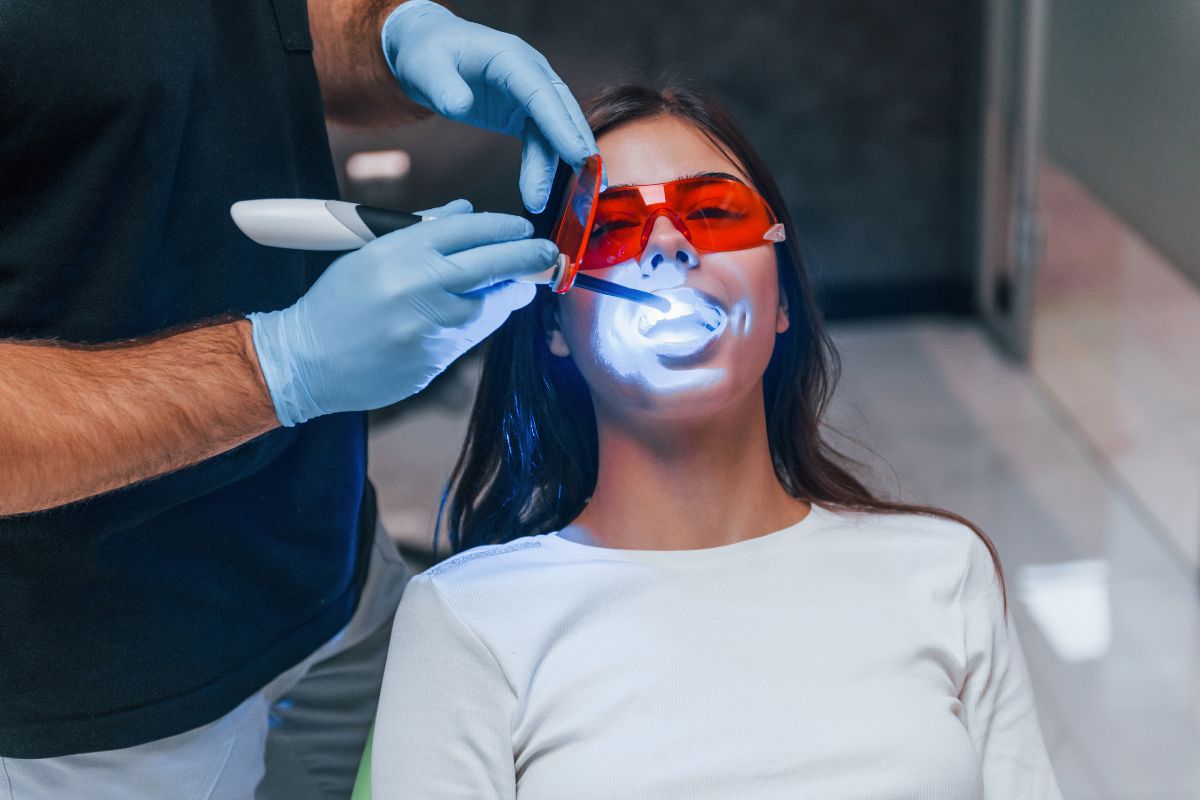
Professional whitening procedures performed in a dental office usually provide more noticeable results because they use stronger whitening agents under controlled conditions. Dentists also ensure the gums and surrounding tissues are protected during the treatment.
Is Teeth Whitening Safe for Your Teeth?
When done properly, teeth whitening is generally considered safe. Most dental professionals agree that whitening treatments do not damage enamel when used as directed. However, improper use of over-the-counter products or excessive whitening can lead to unwanted side effects.
Some people may experience temporary tooth sensitivity or mild gum irritation after whitening. These effects usually fade within a few days. Dentists can recommend specific products or techniques that reduce sensitivity and improve comfort during treatment.
It is also important to note that whitening treatments do not work on dental restorations such as crowns, veneers, or fillings. Consulting a dental professional helps determine whether whitening is suitable for your teeth and whether additional cosmetic procedures might be needed for uniform results.
Professional vs At-Home Whitening Treatments
Professional Whitening at a Dental Office
Professional treatments are carefully supervised and customized for each patient. During an teeth-whitening appointment in Garland, a dentist evaluates your oral health, checks for cavities or gum issues, and selects a whitening method that bestfits your needs. The whitening gel is applied with protective barriers to prevent irritation, allowing for effective stain removal.
At-Home Whitening Options
At-home kits, whitening strips, and gels are widely available and convenient to use. However, they typically contain lower concentrations of bleaching agents. While these products can help reduce mild staining, results may take longer to appear compared to in-office procedures.
Without professional guidance, some people may overuse these products, which can increase tooth sensitivity or cause uneven whitening.
Who Should Avoid Teeth Whitening?
Although whitening is suitable for many adults, it may not be recommended for everyone. People with untreated cavities, gum disease, or extremely sensitive teeth should address these issues before starting a whitening treatment.
Pregnant or breastfeeding individuals are often advised to postpone whitening procedures as a precaution. Younger patients whose teeth are still developing may also need to wait before undergoing cosmetic whitening.
A dental evaluation ensures that whitening is performed safely and that any underlying oral health concerns are treated first.
How to Maintain Your Whitening Results
After whitening treatment, maintaining the results requires a few simple habits. Limiting foods and beverages that stain teeth, practicing regular brushing and flossing, and scheduling routine dental cleanings can help keep your smile bright.
Drinking staining beverages through a straw and rinsing with water afterward can also reduce the risk of discoloration returning. A dentist may recommend touch-up treatments if stains gradually reappear.
If you are considering improving the appearance of your teeth, you can visit our dental office in Garland to discuss safe whitening options that suit your oral health needs.
When to Talk to a Dentist
Before beginning any whitening process, a professional consultation is an important step. A dentist can evaluate the cause of tooth discoloration and recommend the most appropriate treatment. This helps ensure that the whitening process is both effective and safe.
If you are thinking about enhancing your smile with professional whitening, our team is here to help. Contact us today to schedule a consultation and explore safe and effective options for a brighter smile.
FAQs
- Is teeth whitening harmful to enamel?
When used correctly and under dental guidance, whitening treatments do not damage enamel. - How long do teeth whitening results last?
Results can last from several months to a few years depending on diet, oral hygiene, and lifestyle habits. - Why do my teeth feel sensitive after whitening?
Sensitivity can occur temporarily because whitening agents penetrate the enamel. It usually fades within a few days. - Can whitening remove all types of stains?
Whitening works best on surface stains caused by food and beverages. Some deep or internal discoloration may require other cosmetic treatments. - Is professional whitening stronger than store-bought kits?
Yes, in-office treatments use stronger whitening agents and are applied under dental supervision for more noticeable results. - Can I whiten teeth if I have crowns or veneers?
Whitening agents do not change the color of dental restorations, so the results may not match surrounding teeth. - How long does a professional whitening appointment take?
Most in-office whitening treatments take about 60 to 90 minutes depending on the method used.